Journal · Sound Healing · Practitioner income
Sound Healing Practitioner Income: Sessions, Events and Corporate
Four revenue streams modelled with real attendance, venue splits, no-show rates and the equipment bill nobody warns you about in year one.
Valérie Fabre, Founder & Director, Harmonika Institute · May 17, 2026 · 10 min read

Key takeaways
- This modality scales, and that is the whole point. One facilitator can hold twenty-five people in a room. No other holistic modality in our catalogue breaks the one-hour-one-client ceiling as cleanly.
- Public events look better on paper than in the bank. A 25-seat sound bath at $35 grosses $875 in the flyer's imagination. After a realistic 70% fill, a venue split and card fees, you are usually looking at $300 to $450 for four hours of work.
- Corporate is the highest-rate stream by a wide margin. Market rates for a 45 to 60 minute on-site session commonly sit between $500 and $1,500, and the booking almost never comes from a website. It comes from someone in the room at a public event.
- Equipment is a real first-year drag. A working instrument set plus cases and transport typically runs $2,500 to $6,000. That is one to two months of a decent gross wiped out before you have taught anyone anything.
- Blended is the only model that holds up. Practitioners who survive year two are usually running all four streams, with events feeding corporate and corporate paying for the slow months.
A practitioner in Denver runs a public sound bath on the second Sunday of every month. Thirty tickets at $35 sells out in four days, which sounds like $1,050. She takes home about $380. The studio takes 30%, four people never show up despite paying, the card processor takes its cut, and she spent two hours loading and unloading a car. That gap between the flyer and the deposit is the thing this article is about.
Sound work has the most interesting income structure in the holistic field, because it is one of the very few modalities where you can serve thirty people at once without diluting what you deliver. It also introduces costs a one-to-one practitioner never meets: venues, ticketing, no-shows, and roughly forty pounds of fragile metal and quartz that has to get from your car to a third-floor studio without chipping.
Below, all four streams, modelled properly. Figures are market ranges we are characterising from how this work is priced across U.S. metros, not survey data. Your city will move them.
Stream one: individual sessions
The baseline. One client on a mat or a table, instruments placed around and on the body, 45 to 75 minutes.
Rates in most U.S. markets sit between $75 and $150, with coastal metros supporting $120 to $200 and smaller markets closer to $60 to $90. Room rental in a shared wellness suite runs $25 to $50 per session block, or $400 to $900 a month for a fixed part-time arrangement. Going mobile saves the rent and costs you an hour of unpaid drive time per booking, which is usually a worse trade than it looks.
The constraint is volume. Most working practitioners cap out around twelve to eighteen one-to-one sessions a week, and the honest average across the first two years is closer to five or six.
Five sessions a week at $110, minus room costs, is roughly $2,000 a month gross. That is not a living in Boston. It is a genuine part-time income while the other streams build, and it is where nearly everyone starts.
The rebooking trap
Individual sound sessions rebook worse than massage or reflexology, and practitioners are often blindsided by it. Clients describe the experience as remarkable and then don't come back for four months, because nothing hurts and there is no obvious reason to return next Tuesday. If you want a recurring one-to-one income, you have to build the reason in: a series of four sessions sold together, a monthly slot held in the client's name, or pairing sound with something that has a natural cadence.
Stream two: public ticketed events
This is the stream people picture when they imagine this career, and it is the one where the arithmetic gets misread most often.
A public sound bath in a yoga studio, a small church hall, a gallery or a park pavilion. Tickets typically $25 to $45, with $30 to $35 the workhorse price in most metros. Capacity is set by floor space, not demand: a mat needs about 25 square feet with walking room, so a 900 square foot studio holds 25 to 30 people comfortably. Then the deductions, in order.
Fill rate. A new practitioner's first six events will fill 30% to 50% of capacity. An established monthly event in a decent market fills 60% to 85%. Sold out is a real thing but it is not the planning number.
No-shows. Prepaid ticket no-shows run 10% to 15%. If you take free RSVPs or pay-at-the-door, expect 30% to 50% attrition, which is why almost everyone moves to prepaid within a year. Prepaid no-shows still pay you, so they hurt the room energy rather than the revenue.
Venue. Two common structures. A flat room rent of $75 to $250 per event, which is better once you reliably fill. Or a revenue split, usually 25% to 40% to the studio, sometimes with the studio doing the promotion to its own list. For a first-year practitioner with no list of her own, the 30% split is worth every dollar.
Ticketing and card fees. Between 3% and 8% depending on the platform, taken off the top.
| Scenario | Seats sold | Gross | Venue | Fees and consumables | Net to you | Hours worked |
|---|---|---|---|---|---|---|
| First event, no list | 11 (37%) | $385 | $150 flat rent | $45 | $190 | 5.5 |
| Month six, 30% split | 21 (70%) | $735 | $221 split | $55 | $459 | 4.5 |
| Established, flat rent | 27 (90%) | $945 | $175 flat rent | $70 | $700 | 4.5 |
Read the hours column, because it is the one nobody puts on the flyer. A 75-minute event costs four to six hours door to door: loading, driving, setting up 25 mats, sound check, the event, teardown, and the unglamorous business of getting a gong back down a stairwell. At the established rate that is about $155 an hour, which is excellent. At the first-event rate it is $35 an hour.
Two events a month at the established figure is $1,400. Weekly events, which a handful of people genuinely sustain in large markets, put this stream above $2,800 a month. But weekly is punishing, and event fatigue in a single neighbourhood is real. Most people running weekly are rotating three or four venues across a metro.
Stream three: private and corporate bookings
The highest-rate stream, and the least understood.
Private bookings cover a birthday gathering in someone's living room, a bridal party, a retreat day. Corporate covers on-site sessions for employers, usually 30 to 60 minutes in a conference room with the desks pushed back, sold as a wellbeing or rest session.
Market rates for a single corporate session commonly land between $500 and $1,500, with $650 to $900 being the most frequently quoted band for a 45-minute session serving 20 to 40 employees in a mid-size metro. Multi-session contracts, a monthly session across a year, are where the money genuinely is: twelve sessions at $700 is $8,400 from one relationship, with no ticketing, no no-shows and no marketing spend.
Private social bookings sit lower, typically $350 to $800 for a home gathering of eight to fifteen people, plus travel.
Price it as an event, not an hour
The most common pricing error in corporate work is quoting an hourly rate. HR budgets are approved per event, not per hour, and a $700 flat fee for a session reads as normal against catering and speaker line items. The same practitioner quoting $175 an hour reads as expensive and gets compared against a yoga teacher. Quote one number, include travel and setup inside it, and put a two-hour minimum on-site window in the agreement.
How corporate bookings actually arrive
Almost never through a website contact form. The realistic paths, roughly in order of how often they work:
- 1
Someone attended your public event
This is the single dominant channel. An HR manager or an office manager lies on a mat on a Sunday, likes it, and thinks of you in March when she is planning a wellbeing week. Your public events are, in practical terms, your corporate sales funnel. Price them accordingly and never cancel one for low numbers.
- 2
A wellness vendor platform
Aggregators that supply on-site wellbeing providers to employers. They take 20% to 35% and they bring volume. Worth doing early for the reps and the reference logos, worth outgrowing later.
- 3
A warm introduction from a corporate yoga or massage provider
People already delivering on-site wellbeing have the relationship and are often asked for something new. Meet them. They are not competitors.
- 4
Event and retreat producers
Conference organisers, offsite planners and retreat companies book atmosphere and downtime programming. One producer relationship can be worth six bookings a year.
Stream four: teaching and workshops
Once you have two or three years of delivery behind you, teaching becomes available. Introductory workshops on singing bowls or gong basics run $150 to $400 per participant for a day, with eight to fourteen participants typical. A weekend format at $350 with ten students grosses $3,500 against a venue cost of a few hundred.
The honest caveat applies across this whole field: teaching pays better per hour than practising, which creates a quiet incentive to start teaching before you have enough delivery experience to be worth learning from. Ask any prospective teacher how many paid sessions and events they personally delivered last year, and apply the same test to yourself before you sell a training.
Teaching is also the most seasonal stream. Treat it as upside, not base income.
The equipment bill
This is the line item that catches people, because it lands entirely in the first year, before the revenue does.
| Item | Typical range | Needed to start? |
|---|---|---|
| Crystal bowl set (7 bowls, mixed sizes) | $1,000-$3,000 | Yes |
| Himalayan metal bowls (3-5) | $250-$700 | Depends on style |
| Gong, 28-32 inch, with stand | $900-$2,600 | Event work only |
| Chimes, ocean drum, shruti box, small percussion | $200-$600 | Yes |
| Padded cases and transport cart | $300-$800 | Yes |
| Portable PA or mic for guidance in large rooms | $200-$500 | Not at first |
| Bolsters, blankets, spare mats for events | $300-$700 | Venue-dependent |
A realistic starting kit for sessions and small events is $2,500 to $4,000. Full event capability with a large gong pushes $5,000 to $8,000. Instruments break, too, and a chipped crystal bowl is scrap.
Two things soften this. Instruments hold value well second-hand, so a considered purchase is closer to a deposit than a spend. And you do not need the full set on day one. Start with what a one-to-one session requires, add the gong when events are booked and paid for, not before.
Putting the four together
Here is a blended year-two month for someone working this seriously in a mid-size metro. Six one-to-one sessions a week at $110, netting about $2,100 after room costs. Two public events netting $460 each. One corporate booking at $750. A quarterly workshop averaged out at $500 a month. That is roughly $4,270 gross for the month.
Then subtract what self-employment actually costs. Liability insurance, $250 to $600 a year. Ticketing and website, $40 to $90 a month. Mileage. Instrument maintenance and replacement. And self-employment tax plus income tax, which for most practitioners at this level means setting aside 25% to 30% of net. The $4,270 becomes something closer to $2,800 in your pocket.
That is a real, workable part-to-full-time income in most of the country. It is not the figure on the workshop flyer, and it took two years and $4,000 of quartz to reach.
What you may not sell
Sound work is not licensed anywhere in the United States, which means nobody can stop you practising and nobody will defend you either. The exposure is in your claims. Describing sessions as relaxation, rest or stress-reduction experiences is fine. Telling a corporate client that your sessions treat anxiety, lower blood pressure or address a medical condition is not, and a corporate procurement contract is exactly the kind of document that makes an unsupported claim expensive. If your work involves any hands-on contact, check whether your state's massage statute reaches it. Rules differ by state and change. Confirm with the relevant state board before you take paying clients.
What separates the practitioners who earn from the ones who don't
Not talent. Three practical things.
The first is running a recurring event on a fixed calendar slot. Second Sunday, every month, without exception, for eighteen months. Cancelling because only nine people booked is the decision that kills the whole model, because the tenth month is when the HR manager shows up.
The second is asking for the corporate booking out loud. At the end of every public event: "if your workplace would ever want something like this, talk to me before you leave." Most practitioners never say the sentence.
The third is holding a floor on the flat event fee. A practitioner who does a corporate session for $300 because she is nervous has not just underpriced one job, she has set the reference price for every referral that job produces.
If you are still choosing between modalities on income grounds, read our broader breakdown of holistic practitioner income alongside this. Sound is unusual because of the group scaling, and that advantage only shows up if you actually run events.
Questions on this topic.
Can you make a full-time living from sound healing alone?+
Yes, but rarely from one stream and rarely before year two. The people doing it full time are almost always running a weekly or fortnightly public event, a handful of one-to-one clients, and at least one recurring corporate or retreat relationship. A practitioner relying only on individual sessions runs into a hard ceiling around twelve to eighteen sessions a week, and reaching that consistently takes a mature referral base. Plan on part-time income for eighteen to twenty-four months and treat anything faster as a bonus.
What should I charge for my first public sound bath?+
Whatever the going rate is in your city, which is usually $25 to $35. Do not discount to fill the room. A $10 ticket attracts people who don't show up and sets a price you will spend two years climbing out of. If the first event only sells eleven seats, run it for eleven people and run the next one anyway. Fill rate improves with repetition and a fixed calendar slot far more reliably than with price cuts.
Do I need my own venue or studio?+
No, and owning one early is usually a mistake. Renting a yoga studio by the event, or taking a revenue split, keeps your fixed costs near zero and gives you access to the studio's mailing list, which in year one is worth more than the money. Fixed rent only makes sense once you can reliably fill 70% of a room every month. Several practitioners run a full income without ever holding a lease.
How do I price a corporate session when they ask for my rate?+
Give one flat number for the whole event, not an hourly rate, and include travel, setup and teardown inside it. In most mid-size U.S. markets, $650 to $900 for a 45-minute on-site session serving up to 40 people sits comfortably inside a wellbeing budget. Ask how many people, what the room is, and whether they can supply mats, then quote in writing with a cancellation window. Never quote in the room on the spot.
Is expensive equipment worth it, or will cheap bowls do?+
For one-to-one work, mid-range instruments are perfectly serviceable and nobody will know. For events, quality starts to matter, because a large room exposes a thin or unstable bowl and a poor gong sounds harsh at volume. Buy fewer, better instruments rather than a large cheap set. And buy in stages tied to booked work, so the capital cost tracks the revenue instead of preceding it by a year.
Tags:
Sound HealingPractitioner income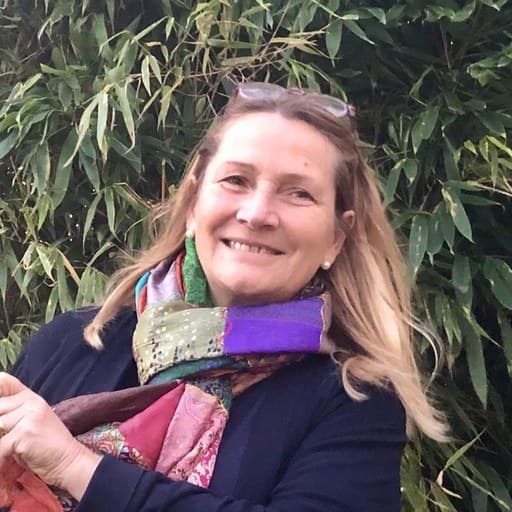
About the author
Valérie Fabre · Founder & Director, Harmonika Institute
Valérie Fabre founded Harmonika Institute in 2025, after a decade seeing clients in private kinesiology practice and, before that, thirteen years in international trade. A French-born polyglot who now splits her time between Dallas and Miami, she sets the school's curriculum and editorial standards and champions ethical, in-person training.
Read more about Valérie Fabre →