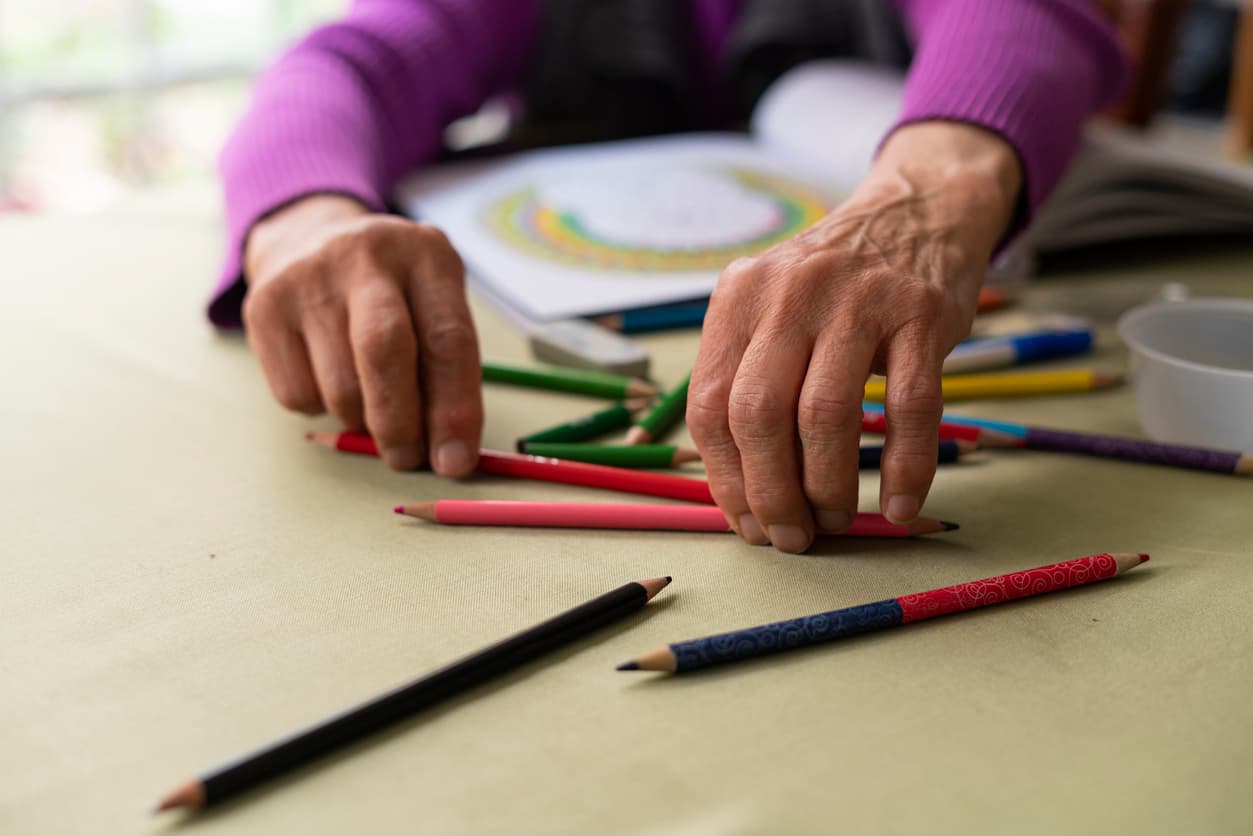
Expressive arts facilitation is the practice of supporting other people in using creative process — drawing, painting, collage, sculpture, mixed-media — for wellness, personal growth, and self-knowledge. The facilitator is not a therapist (and the work is not therapy in the clinical sense). The facilitator is more like a thoughtful host: designing prompts, choosing materials, holding the time and the room, and supporting the participant's own process while the meaning stays with its maker.
The work happens in three main formats. Group studios are 90- to 180-minute facilitated sessions for groups of six to twenty participants, working with shared materials around a theme (grief, transition, identity, embodiment, joy). One-on-one expressive arts sessions are 60- to 90-minute private appointments, often part of a longer arc, where the facilitator works with a single participant on more personal material. Themed retreats are multi-day or weeklong intensives, often residential, that braid expressive arts with movement, meditation, or contemplative practice.
It is critical to be clear about what expressive arts facilitation is not. In the United States, "art therapy" as a clinical practice is regulated in many states (with credentials like the Registered Art Therapist / Board Certified Art Therapist designations from the Art Therapy Credentials Board). Clinical art therapists hold master's-level degrees in art therapy and hold state licenses for mental-health care. Expressive arts facilitators work in a different lane: wellness, creativity, and personal development. Harmonika Institute teaches expressive arts as a non-clinical wellness and personal-development practice; graduates use the title "Certified Expressive Art Facilitator (CEAF)" and refer anything clinical to licensed practitioners.
Within that clear scope, the work is unusually meaningful. Expressive arts facilitation reaches people that talk-based wellness work cannot — clients who freeze when asked to articulate, clients in life transitions who need a non-verbal way to process, clients who are creatively starved by professional and parental obligations and need a structured space to make. The market is real, the demand is growing, and the credentialing pathway through expressive arts facilitation is meaningful for adults who do not want to commit to a two- to three-year accredited art therapy graduate program.