Journal · Practice building · Marketing
Marketing Your Holistic Practice: Channels That Actually Work
Which marketing channels generate real clients for holistic practitioners — based on data from established practices, not theories from generic marketing courses.
Valérie Fabre, Founder & Director, Harmonika Institute · January 22, 2026 · 4 min read

Most marketing advice given to holistic practitioners is wrong, or at best right-for-other-businesses-not-yours. Practitioners spend years on tactics that are inefficient or actively counterproductive — Instagram aesthetic obsession, generic content marketing, broad paid ads, online course funnels — while ignoring the channels that actually generate clients. This guide walks through what actually works for holistic practitioners, based on extensive observation of established practices.
Channel one: word of mouth and referrals
The single largest source of new clients for established holistic practitioners is referrals from existing or former clients. Typical year-three practice: 40-60% of new clients come from word of mouth.
What drives word of mouth: (1) genuinely good work that produces results clients can articulate, (2) memorable client experience (start to finish, beyond the session itself), (3) easy-to-share practitioner positioning (clear modality, clear specialization, clear location), (4) clients who feel actively invited to refer.
The deliberate practice: end every successful course of work with explicit invitation to refer. 'If you know someone who could benefit from this work, I would welcome the introduction.' Most clients want to refer but need the explicit cue.
Channel two: medical and professional referrals
For established practitioners, referrals from licensed medical and mental-health professionals typically generate 20-40% of new clients. This is the highest-conversion channel because the trust transfer is strong.
Building medical referral relationships takes 1-3 years per relationship. The investment compounds; year-five practitioners often have 5-10 active referral relationships generating steady client flow.
See our separate article on working alongside licensed medical professionals for the practical playbook on building these relationships.
Channel three: local community presence
Local community presence is the third-most-effective channel for most holistic practitioners. This includes: speaking engagements at community organizations, workshops at wellness studios and yoga centers, presentations at health-care professional events, and visible presence at community wellness events.
What works: speaking at 6-12 events per year (one to two per month), each generating 1-3 long-term clients. Speaking outperforms most other forms of in-person marketing because the format establishes expertise and trust simultaneously.
What doesn't work: passive booth presence at health fairs and similar events. Conversion from these is very low for most modalities; better to invest the time in speaking engagements where you have an audience.
Channel four: a real website with focused SEO
A focused website ranking well for local-modality searches generates a steady flow of new clients for most established practitioners. Typical contribution: 15-30% of new clients via web search.
What works: a clear modality-specific landing page, location-specific local SEO, a few thoughtful blog articles addressing common questions in your modality, basic Google My Business optimization, client testimonials.
What does not work for most practitioners: elaborate content-marketing operations producing weekly blog posts, broad SEO targeting generic keywords, complex sales funnels.
Keep it simple, keep it focused, keep it updated. Most practitioners are better served by a 5-page focused website than a 50-page sprawling one.
Channel five: targeted local advertising
Targeted local advertising can supplement organic channels but rarely drives a practice on its own. Most effective formats: Google Ads for high-intent local-modality searches, Yelp ads for review-driven categories like massage, sometimes Facebook ads for events or workshops (rarely for direct session bookings).
Reasonable budget: $200-$500 per month while building, scaling up as you learn what converts. Track cost per acquired client carefully; below $80-$150 is healthy, above $200 typically indicates wrong targeting.
Avoid: broad social media campaigns, aspirational lifestyle ads, anything that promises specific outcomes.
What does not work
A clear pattern emerges from looking at practitioners who burn time and money on marketing that doesn't convert. The frequent traps: (1) Instagram aesthetic obsession (beautiful feed, no clients), (2) generic content marketing (a wellness blog with no local hook), (3) online course funnels (most practitioners are not ready for course launches and the audience-building takes years), (4) elaborate webinars and challenges that don't match the modality.
These tactics work for some businesses; they typically don't work for holistic practice. The practice is local, relational, and trust-driven. Marketing that doesn't match those three qualities tends to underperform.
Time and budget allocation
For a typical year-two to year-five holistic practitioner, suggested marketing investment: 4-8 hours per week, $150-$500 monthly. Most of the time goes to relationship-building (community events, medical referrals, follow-up with current and former clients). Most of the budget goes to website maintenance, paid local listings, and targeted ads.
What does not work: trying to be present on every social platform, churning out content weekly across multiple channels, attending every wellness event in the city. Focus produces results; spread does not.
By year three, marketing should be the smaller part of practice work — the practice is generating its own flow through word of mouth, referrals, and steady community presence. Practitioners who are still doing marketing as primary practice work at year five typically have a fundamental practice problem rather than a marketing problem.
Tracking what works
Build a simple tracking spreadsheet from day one: every new client, where they came from, total revenue from them. Update monthly. After 6-12 months you will see clearly which channels generate the most revenue per hour of marketing effort.
Most practitioners who track this discover that 70-80% of revenue comes from 2-3 specific channels. The remaining channels are absorbing time without producing meaningfully. Cut or reduce the underperforming channels and double down on what works.
This single discipline — measuring rather than guessing — separates practitioners who reach sustainable practice in 3 years from those who flail for 7+.
Questions on this topic.
Do I need to be on Instagram?+
Probably not. Instagram works for a small subset of holistic practices (visually-driven brands, large-audience teachers). For most practitioners it consumes far more time than it generates clients. If you enjoy it, fine; if you don't, skip it.
Should I start a podcast?+
Probably not, especially in the first 3 years. Podcasts take enormous time to build audiences large enough to drive practice growth. They're a long-term play that rarely produces near-term results.
What's the highest-leverage marketing activity?+
Building one strong medical or professional referral relationship. A single solid referral source can generate 20-40 new clients per year for years.
Tags:
Practice buildingMarketingBusinessCareer path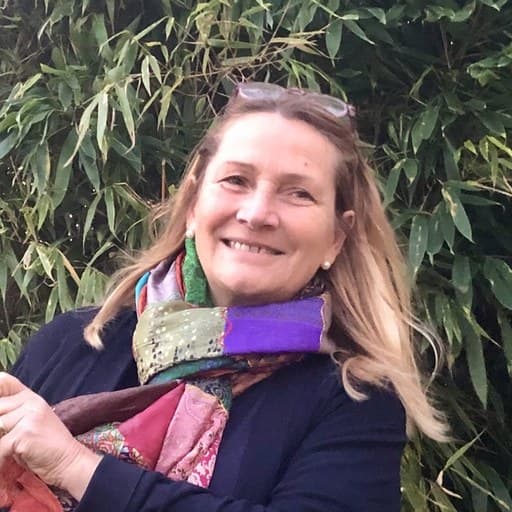
About the author
Valérie Fabre · Founder & Director, Harmonika Institute
Valérie Fabre founded Harmonika Institute in 2025, after a decade seeing clients in private kinesiology practice and, before that, thirteen years in international trade. A French-born polyglot who now splits her time between Dallas and Miami, she sets the school's curriculum and editorial standards and champions ethical, in-person training.
Read more about Valérie Fabre →