
harmonikaInstitute
Contact us
Certified Bio-Magnetic Energy Practitioner

Magnetism training and certification

Reviewed byPierre L., Magnétiseur · Harmonika FacultyLast updated

Magnetism (sometimes called magnétisme curatif in its European birthplace) is a hands-on energetic tradition that pre-dates Reiki by more than a century. At Harmonika Institute we teach it as it has been practiced for generations: passes, sweeps, and direct energetic transfers, refined through hours of paired practice. The training is grounded in clinical session craft — intake, scope of practice, contraindications — so that graduates can offer respectful, well-documented sessions to a U.S. clientele.

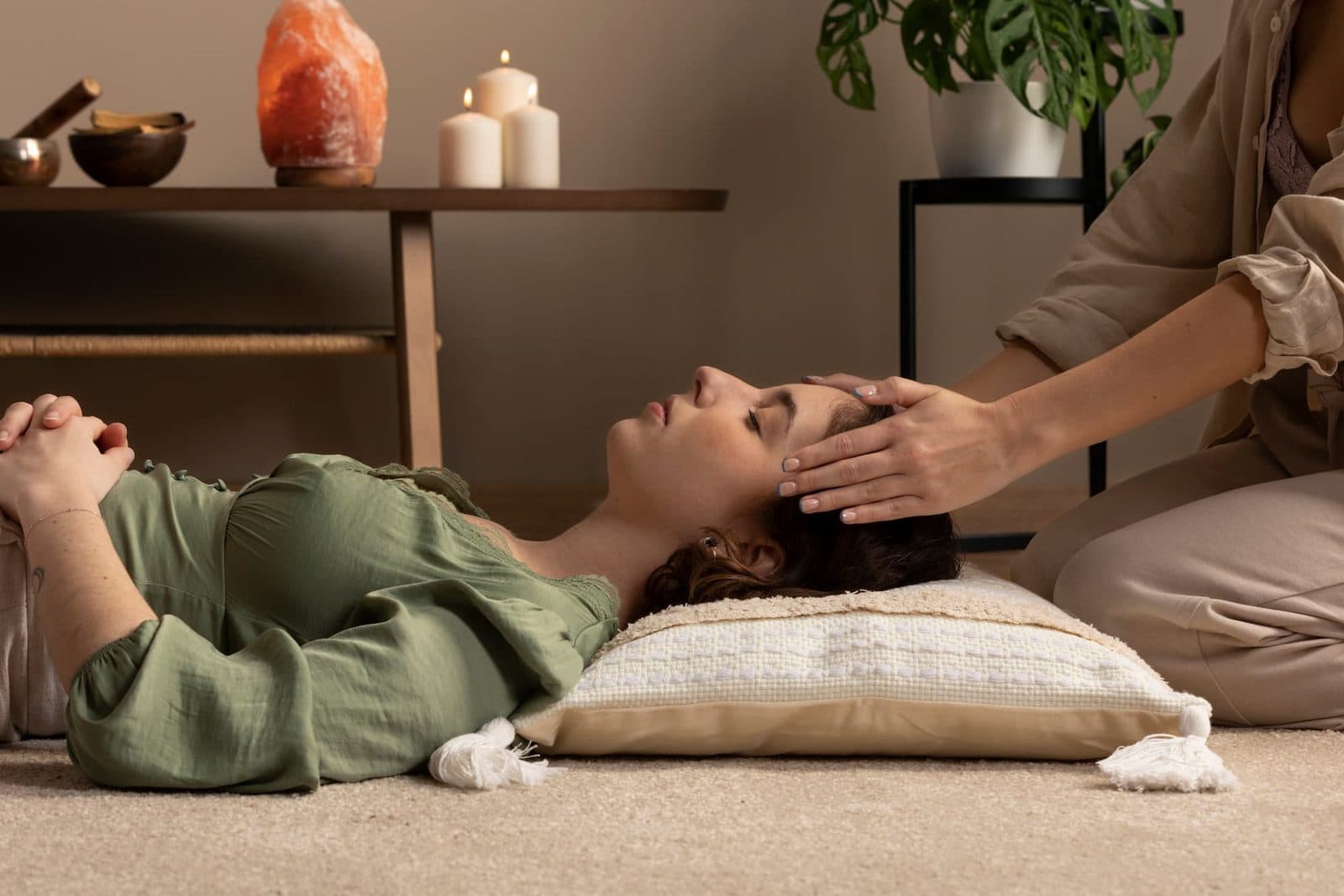
Magnetism training in person at Harmonika Institute

Program at a glance

Credential
CBMEP
Tuition
$3,800
In-person training
10 days · 80h
Live cohort calls
2 days · 8h
Supervised practice
80h
Portfolio + jury
40h
Total
208h · ~26 day-eq.
Cohort size
10 students
Format
In person + live cohort calls
Includes
Table-based work
Download detailed program (PDF)

PDF — modules, hours, faculty notes, and a typical week's schedule.

Magnetism training in the U.S.

Magnetism — magnétisme curatif in its European birthplace — is one of the oldest hands-on energetic traditions in the West, predating Reiki by more than a century. If you are looking for a serious magnetism training, a magnetic healing certification, or a structured course in the European tradition of energetic healing, Harmonika Institute's Certified Bio-Magnetic Energy Practitioner (CBMEP) program is one of the few in the United States. Across 15 days of in-person training, you learn the classical magnetic passes, the energetic transfers, and the session craft that European magnetizers have refined for two hundred years. The program is grounded in clear scope of practice and clinical session work, so graduates can offer respectful, well-documented sessions to a U.S. clientele.

The modality

What is Magnetism?

Magnetism is a hands-on energetic practice with European roots, particularly French and Belgian, that traces its modern formulation to the work of Franz Anton Mesmer in the late 1700s. Although Mesmer's specific theory of "animal magnetism" was scientifically discredited, the practical hands-on tradition he initiated was refined and continued by generations of practitioners — particularly in France, Belgium, Spain, and parts of South America — and remains a vital wellness modality in those regions today.

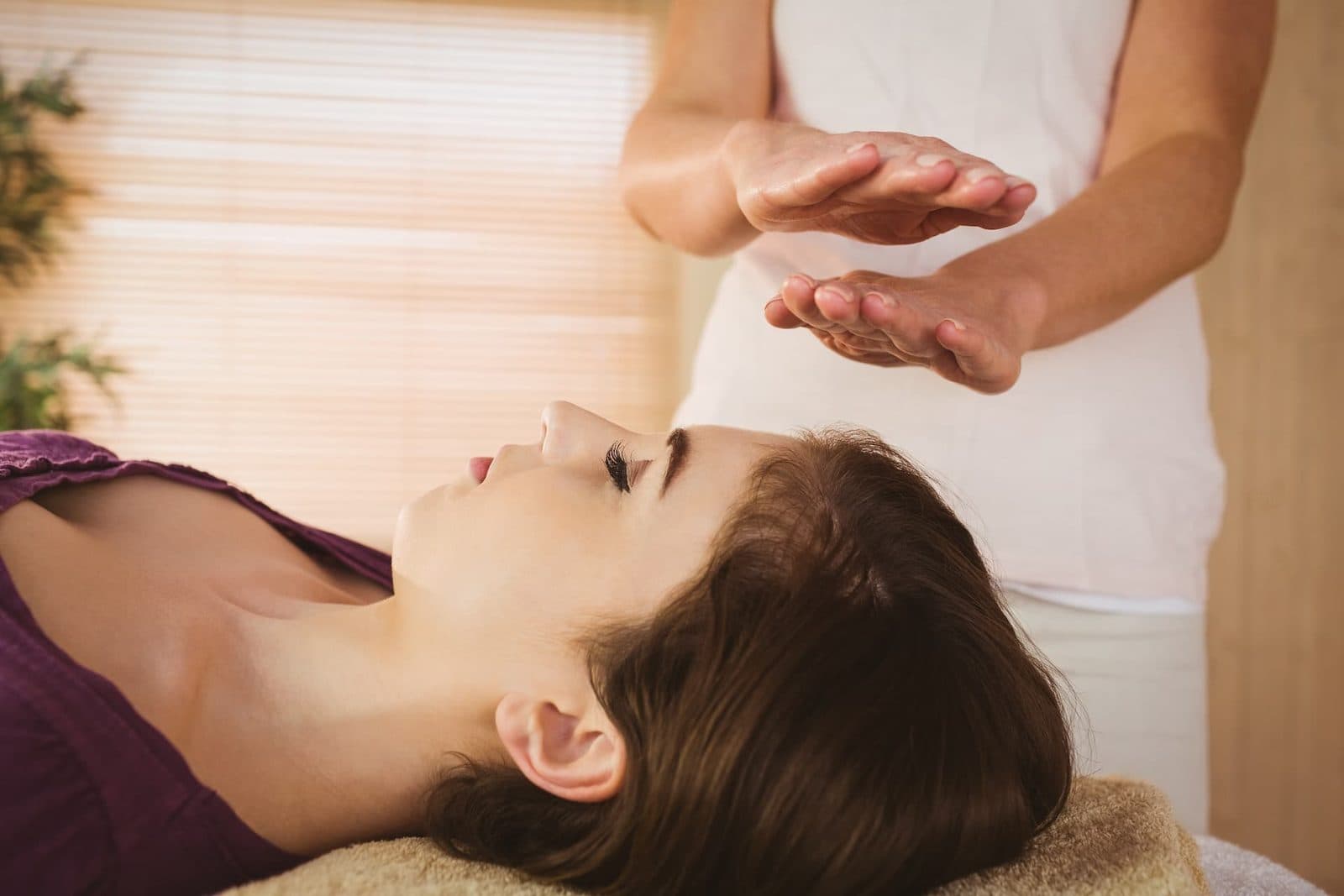
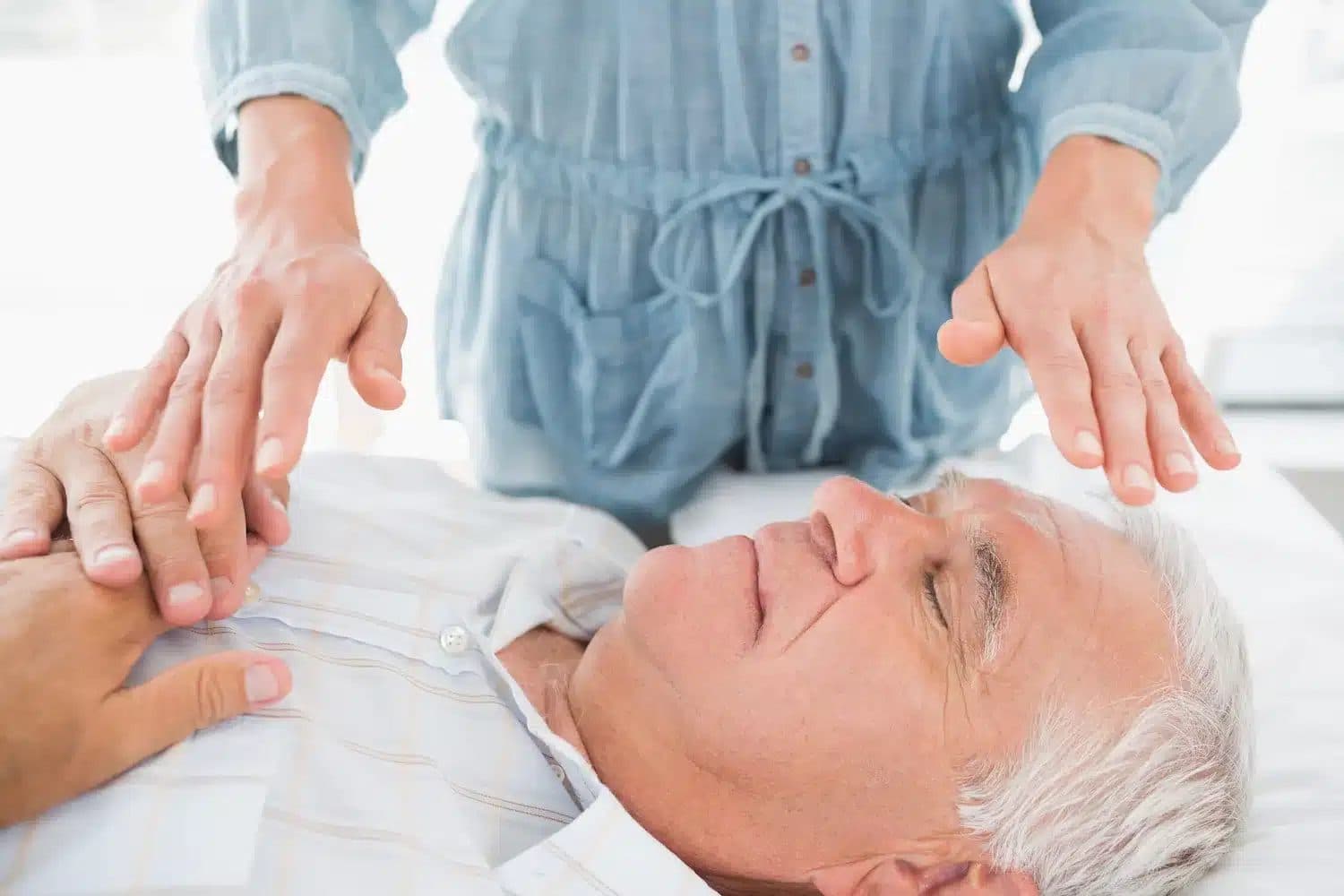
A magnetism session looks deceptively simple. The practitioner stands beside the seated or lying recipient and uses a series of slow, intentional hand movements — passes, sweeps, transfers, localized contact — to support the recipient's energetic regulation. Where Reiki tends to settle the practitioner into a still, neutral state, magnetism is more dynamic: the practitioner is actively giving, drawing, sweeping, redirecting. The traditional descriptions speak of giving fluide, drawing it back, redistributing it.

Modern magnetism practitioners typically focus on specific concerns: localized pain, fatigue, post-injury recovery support, sleep difficulties, generalized stress. The work is non-medical — magnetizers do not diagnose, do not treat conditions in the medical sense, and refer out anything that belongs in licensed medical care. But within wellness scope, the tradition has a long track record of delivering meaningful sessions.

Magnetism is rarely taught in the United States. Where it is offered, training tends to be very informal — passed teacher-to-student in small lineages, often in French. Harmonika Institute's program is one of the few structured magnetism trainings available to U.S. students, taught in English by faculty who have themselves trained in the European tradition.

History & lineage

Where this work comes from.

The modern lineage of magnetism begins in 1779 with Franz Anton Mesmer, an Austrian physician working in Paris. Although Mesmer's theoretical framework — magnetic fluid pervading all bodies — did not survive scientific scrutiny, his hands-on technique was refined and continued by his students, particularly the Marquis de Puységur, and by the next century had become a structured tradition in France known as magnétisme curatif. Through the nineteenth and twentieth centuries, French and Belgian magnetism lineages refined the practice, often integrated with rural healers, religious orders, and family traditions. Today there are approximately ten thousand registered magnétiseurs in France and several thousand more in Belgium and Switzerland, working primarily in private practice and increasingly in adjunct roles within French hospitals (where some hospitals now contract magnétiseurs for non-medical pain and stress support). The Harmonika Institute Magnetism program is taught by faculty who trained in this European tradition.

Why structured training matters

Beyond books and weekend workshops.

Magnetism is one of the few modalities where structured training is genuinely hard to find in the United States. The risk is that the few people who do offer it have either over-Americanized it (turning it into something closer to generic energy healing) or under-translated it (teaching it as a quasi-religious practice without clear scope). Our program is built on the principle that magnetism deserves both fidelity to its European tradition and a clear, professional U.S. scope: graduates leave with the classical techniques, the session protocols, and the legal scope-of-practice clarity to run an actual practice in their U.S. city.

What you'll learn

Skills you'll leave with.

The 208 hours of this program are built around the following competencies. Most are practiced rather than lectured.

  • The classical magnetic passes and how to apply them safely
  • Working with localized pain, fatigue, and stress in clients
  • Maintaining your own energetic hygiene as a practitioner
  • Documenting sessions and tracking client outcomes
  • Combining magnetism with breath and intention
  • Setting up a professional magnetism practice
Curriculum

Module by module.

Module 1 — History & philosophy

Mesmer, the European lineage, and the modern practitioner.

Module 2 — The passes

Magnetic sweeps, transfers, and localized work.

Module 3 — Session craft

Intake, contraindications, documentation.

Module 4 — Practice & business

Ethics, scope of practice, building a clientele.

Program highlights

Specifics that distinguish the Magnetism cohort.

01

Classical European pass repertoire

Passes longitudinaux, transversaux, en éventail, transferts énergétiques — the full traditional French/Belgian repertoire taught with original terminology.

02

Practitioner energetic hygiene module

Magnetism is more energetically demanding than most adjacent modalities. We give serious attention to grounding, clearing, and self-care for sustainable practice.

03

European-tradition-trained faculty

Our magnetism faculty trained in France or Belgium with active magnétiseurs, then adapted the work for U.S. wellness scope. Lineage clarity matters in this small field.

04

Supervised consultation craft

Intake forms, client documentation, outcome tracking, scope-of-practice scripts — the consulting infrastructure that distinguishes a working practice from an enthusiast.

05

English course manual

Most magnetism literature is in French. We translate the canonical texts (Durville, Leprince, Lebatteux) and provide an English-language manual that is itself a unique resource.

Why this program

What makes our Magnetism training different.

European-trained faculty

Our magnetism faculty trained in the French and Belgian traditions and bring lineage authenticity to a program taught in English in the United States.

Classical pass repertoire

You learn the full classical repertoire — passes longitudinaux, transversaux, en éventail, transfers, sweeps, localized work — not a watered-down American adaptation.

Clinical session craft

Intake forms, session documentation, client outcome tracking, and clear scope of practice are built into the program from week one.

Self-protection and energetic hygiene

Magnetism is more energetically demanding on the practitioner than many other modalities. We give serious attention to grounding, clearing, and the practitioner's own care.

Documentation in English

Most existing magnetism literature is in French. We translate the canonical texts and provide an English-language course manual that is itself a unique resource.

A day in the practice

What working as a CBMEP actually looks like.

A magnetism practitioner two years out of our program: morning self-clearing routine, twenty minutes. First session at 10:30am is a regular client returning for fortnightly maintenance — fatigue support, 75 minutes, $150. You make detailed session notes, then take fifteen minutes to clear your own field before the next client. Second session is new: a 90-minute first appointment, $180, with twenty minutes of intake. You break for lunch and a long walk; magnetism work demands serious self-care. Afternoon brings two more sessions and an hour of administrative work. By 6pm you have run four sessions and grossed about $620. Wednesdays you take off entirely — the practice is more energetically demanding than yoga teaching or coaching and most practitioners need a full day a week of clearing. Most weeks you run twelve to sixteen paid sessions and offer one or two free community appointments at a partner wellness nonprofit.

Career outcomes

After graduation.

  • Open a private Magnetism practice (CBMEP)
  • Offer specialized sessions in pain and fatigue support
  • Combine magnetism with energy or sound work
  • Lead small-group practitioner mentorship circles
  • Continue toward advanced European-tradition study
Career path

Trajectory and income for Magnetism practitioners.

Magnetism graduates typically build private one-on-one practices specializing in localized pain support, fatigue work, and stress sessions. Because magnetism is rare in the United States, graduates often become local specialists — the only credentialed magnétiseur in their city or region — which can support strong word-of-mouth referrals and pricing. Some graduates partner with integrative-medicine clinics that want to offer non-medical adjunct services. Others teach short introductions to interested local practitioners. Income range: $55,000 to $130,000 annual gross is realistic for full-time practitioners within three to five years.

How it compares

Magnetism compared to adjacent modalities.

Magnetism vs. Reiki

Reiki is more passive — the practitioner holds a steady, neutral state. Magnetism is more active — sweeps, passes, transfers. Magnetism tends to be more demanding on the practitioner energetically and produces stronger felt sensations for some clients.

Magnetism vs. Polarity Therapy

Polarity Therapy is an American synthesis (Dr. Randolph Stone, 1950s) that integrates Ayurveda, hands-on bodywork, and energetic principles. Magnetism predates Polarity Therapy by over a century and stays closer to its hands-near, sweeping, redistributing technique.

Magnetism vs. Pranic Healing

Pranic Healing is an Asian synthesis with detailed protocols and explicit "energy hygiene" rules; magnetism is a European tradition with a similar emphasis on energetic transfer but rooted in a different cultural and lineage context.

Evidence & research

What the research says about Magnetism.

We teach with intellectual honesty. Where the evidence is strong, we say so. Where it is weak, we say that too. Our credibility — and our graduates' — depends on it.

Magnetism (animal magnetism in its 18th-century framing) was famously discredited as a specific theoretical mechanism by the 1784 Royal Commission led by Benjamin Franklin and Antoine Lavoisier — they found that the effects Mesmer attributed to magnetic fluid were actually produced by suggestion and expectation. This historical episode is sometimes used to dismiss the entire tradition. The honest contemporary view is that the practical hands-on tradition that descended from Mesmer's work is real and continuously practiced, while its 18th-century theoretical mechanism is not. Modern French and Belgian magnétisme curatif practitioners produce consistent client-reported outcomes that are well-documented in the European wellness literature, even if the underlying mechanism remains debated. Some hospitals in France contract magnétiseurs for non-medical pain and stress support; the contracts are written explicitly as wellness adjunct services, not medical treatment. We teach magnetism at Harmonika Institute with this intellectual honesty: the practical tradition is genuine, the historical theoretical claims about magnetic fluid are not, and the work belongs in a wellness scope without medical claims.

Common misconceptions

What people get wrong about Magnetism.

Myth

Magnetism uses magnets.

Reality

Despite the name, no. Magnetism in this tradition refers to its 18th-century theoretical framing (animal magnetism). Sessions involve hand passes; no equipment or magnets are used.

Myth

Magnetism was scientifically debunked in 1784.

Reality

The 1784 Royal Commission debunked Mesmer's specific theory of magnetic fluid as the mechanism. The hands-on practical tradition that grew from Mesmer's work was refined by his students into a continuing wellness practice that exists separately from the discredited theory.

Myth

Magnetism is the same as Reiki.

Reality

They share hands-on energetic intent but come from completely different lineages and use different techniques. Magnetism is European (French/Belgian), more dynamic (passes, sweeps, transfers); Reiki is Japanese, more passive (still hand positions, neutral state).

Myth

Magnetism heals diseases.

Reality

It does not. We teach magnetism explicitly as a non-medical wellness practice. Graduates work with stress, fatigue, localized pain support — not medical conditions.

Can I learn this on my own?

Self-study vs. structured Magnetism training.

A question we get from many applicants. Here is the honest answer.

Can you learn magnetism on your own? In the United States, this is unusually difficult — most magnetism literature is in French, much of the practitioner tradition has been transmitted teacher-to-student in small lineages without published curricula, and the field has very little online presence in English. So in practical terms, no, self-study is not really an option for U.S. students who do not read French. Even for those who do read French and have access to the European magnetism literature (Albert Leprince, Hector Durville, the more contemporary work of Yann Lebatteux and others), self-study cannot substitute for the supervised hours of running real sessions on real people that turn theoretical understanding into practitioner competence. Magnetism work is unusually demanding on the practitioner — the energetic transfers, the sweeping passes, the sustained attention — and developing the self-care practices that allow a long career in this work requires guidance from someone who has been doing the work for years. Our 15-day program is taught by faculty trained in the European tradition and explicitly addresses the practitioner-care side of the work that self-study consistently neglects. Graduates leave with both the technical repertoire and the energetic hygiene to build a sustainable practice in the U.S. market, where they will likely be the only credentialed magnétiseur in their region.

What graduates carry forward

Beyond the certification.

Graduates of our Magnetism program tend to occupy a particular professional position in U.S. wellness markets: the only credentialed magnétiseur in their region. This rarity is a real career advantage — strong word-of-mouth, distinctive positioning in the broader holistic landscape, the absence of close competition. It also brings a specific responsibility. As one of the few credentialed practitioners of a tradition that is much better-known in Europe than in the U.S., graduates carry forward a stewardship role: explaining the work credibly, holding scope-of-practice clarity, and contributing to the slow growth of the tradition's U.S. presence. Most of our graduates take that responsibility seriously, and the work they build is more durable for it.

Key concepts & people

The Magnetism vocabulary you'll learn.

These are the lineages, named teachers, frameworks, and technical terms our curriculum draws on. By graduation, you'll know each of them in depth.

Lineage

Franz Anton Mesmer
1734–1815. Austrian physician; founded the practical magnetism tradition.
Marquis de Puységur
Mesmer's senior student; refined induction technique.
Hector Durville
1849–1923. French magnétiseur; foundational textbook author.
Albert Leprince
Early-20th-century French magnétiseur; standard practitioner manual.

Techniques

Passes longitudinaux
Long sweeping movements along the body.
Passes transversaux
Cross-body sweeping movements.
Transferts
Direct energetic transfer techniques.
Imposition des mains
Sustained still-hand placement.
Books & further reading

Recommended reading on Magnetism.

These are the books our faculty actually recommend to enrolled students — not a comprehensive bibliography, but a practical starting point.

Le magnétisme, voilà la vérité

Hector Durville

Foundational French magnetism text from 1900. Available in English translation. Required reading despite its age.

Manuel pratique du magnétiseur

Albert Leprince

Standard French practitioner manual. Translation provided in our course materials.

Le magnétisme aujourd'hui

Yann Lebatteux

Contemporary French magnétisme practitioner writing for a modern audience.

Mesmerism: A Translation of the Original Scientific and Medical Writings of F.A. Mesmer

George Bloch (translator)

Primary-source historical reading on the tradition's eighteenth-century origins.

The right student

Is this program for you?

Career-changers and practitioners drawn to a structured, traditional, hands-on energetic practice with a strong clinical container.

Prerequisites

What we expect on day one.

None.

Tuition & financing

$3,800 for the full 26-day program.

Tuition covers 10 days of in-person teaching, 2 live cohort intervisions, 80h of supervised practice, portfolio review and a final jury evaluation, and one year of post-graduation support. Interest-free monthly installments. A 25% deposit confirms your cohort spot.

$3,800

208h total · 10 in-person days · cohort of 10

People also ask

Common questions about Magnetism training.

How long does the Magnetism training take?

15 days from start to graduation. One weekend per month plus a final five-day integration intensive.

Is this magnetism training in person?

Yes — entirely in person, in ten U.S. cities. Magnetism is a hands-on craft and cannot be transmitted online.

What credential do I receive?

Certified Bio-Magnetic Energy Practitioner (CBMEP) — a private Harmonika Institute certification.

More questions

Is magnetism related to magnets?+

Despite the name, no. Magnetism in this tradition refers to the practice's eighteenth-century European framing (animal magnetism) and has nothing to do with physical magnets. Sessions involve hand passes; no equipment or magnets are used.

Do I need to speak French?+

No. The program is taught entirely in English, with all source material translated.

Can I run paid sessions after the program?+

Yes. Magnetism is not a state-regulated profession in the United States; as a CBMEP you offer paid wellness sessions within a clear non-medical scope.

How much does the magnetism course cost?+

Total tuition is $4,500, with monthly payment plans available across the 15 days of the program.

Is this related to the magnetic-field-therapy devices I see online?+

No. Magnetism in this tradition is a hands-on energetic practice. The various consumer magnetic-field-therapy devices on the market are unrelated and we have no opinion on them.

Can I combine magnetism with another practice I already have?+

Yes. Many of our students integrate magnetism into existing energy, bodywork, or coaching practices.

Where it's taught

Magnetism is offered in 32 cities.

Northeast

New York

New York

Magnetism in New York

West

Los Angeles

California

Magnetism in Los Angeles

Midwest

Chicago

Illinois

Magnetism in Chicago

South

Miami

Florida

Magnetism in Miami

South

Houston

Texas

Magnetism in Houston

Northeast

Boston

Massachusetts

Magnetism in Boston

South

Atlanta

Georgia

Magnetism in Atlanta

Pacific Northwest

Seattle

Washington

Magnetism in Seattle

Mountain West

Denver

Colorado

Magnetism in Denver

South

Austin

Texas

Magnetism in Austin

Mid-Atlantic

Philadelphia

Pennsylvania

Magnetism in Philadelphia

Mid-Atlantic

Washington

District of Columbia

Magnetism in Washington

Southwest

Phoenix

Arizona

Magnetism in Phoenix

Midwest

Detroit

Michigan

Magnetism in Detroit

West

San Francisco

California

Magnetism in San Francisco

West

San Diego

California

Magnetism in San Diego

Midwest

Minneapolis

Minnesota

Magnetism in Minneapolis

South

Tampa

Florida

Magnetism in Tampa

Southwest

Las Vegas

Nevada

Magnetism in Las Vegas

Mid-Atlantic

Baltimore

Maryland

Magnetism in Baltimore

Midwest

St. Louis

Missouri

Magnetism in St. Louis

Pacific Northwest

Portland

Oregon

Magnetism in Portland

South

San Antonio

Texas

Magnetism in San Antonio

West

Sacramento

California

Magnetism in Sacramento

South

Orlando

Florida

Magnetism in Orlando

West

San Jose

California

Magnetism in San Jose

Midwest

Indianapolis

Indiana

Magnetism in Indianapolis

Northeast

Pittsburgh

Pennsylvania

Magnetism in Pittsburgh

Midwest

Cincinnati

Ohio

Magnetism in Cincinnati

Southeast

Charlotte

North Carolina

Magnetism in Charlotte

Southeast

Nashville

Tennessee

Magnetism in Nashville

South

Dallas

Texas

Magnetism in Dallas

Next step

Become a Certified Bio-Magnetic Energy Practitioner.

Talk with our admissions team about the next Magnetism cohort starting in your city.