Journal · Sound Healing · What it is
What Is a Sound Bath? What Happens, Benefits and How to Prepare
What is a sound bath? What happens minute by minute in a 60-minute session, what research shows on sound bath benefits, who should be cautious and how to prepare.
Valérie Fabre, Founder & Director, Harmonika Institute · November 19, 2026 · 9 min read

Key takeaways
- A sound bath is a guided listening session. You lie on a mat, fully clothed, while a facilitator plays bowls, gongs and chimes for 45 to 75 minutes. You only listen.
- A 60-minute session has a shape. About 10 minutes of settling, 40 minutes of sound that builds and softens, and 10 quiet minutes to come back.
- The research is small but points to relaxation. In a 2016 study of 62 adults, an hour of singing bowl meditation was followed by lower tension, anger, fatigue and depressed mood. There was no control group.
- Some people should check first. Sound sensitivity, tinnitus, epilepsy, pregnancy (especially near a loud gong) and trauma histories call for a word with the facilitator, and sometimes a doctor.
- Preparation is simple. Soft layers, a light meal, water, an eye mask, 15 minutes early, and a mat away from the gong if you are new.
A sound bath is a group relaxation session in which you lie down and let the sound of singing bowls, gongs and chimes wash over you for about an hour. Nobody touches you, nobody asks you to chant, and there is no water: the “bath” is the sound. If you have a ticket for your first one, here is what happens minute by minute, what the research does and does not show, and how to prepare.
What is a sound bath, exactly?
A sound bath is guided relaxation built around listening. A facilitator plays resonant instruments, usually crystal and metal singing bowls, one or more gongs, chimes and sometimes tuning forks or voice, while a group lies still on mats. The tones are long, layered and slow to fade, which gives the mind something steady to rest on.
Gongs and bowls have long histories in Asian ritual and music, but the group format Americans now book at yoga studios is a product of Western wellness culture, and the phrase “sound bath” spread widely in the 2010s. Think of it as a lying-down meditation with a live soundtrack, not a concert or a ceremony.
It is also narrower than sound healing, which includes one-on-one sessions, instruments placed near the body and a conversation with the client. Our explainer on what sound healing is covers that wider field. A sound bath is the group, listen-only version.
What happens during a 60-minute sound bath?
Facilitators differ, but well-run sessions follow a similar arc. This is the structure we teach and the one you will meet in most studios.
- 1
Arrival (10 to 15 minutes before)
You check in, take off your shoes and choose a spot. Mats sit in rows or a circle around the instruments, with a bolster, maybe a blanket and an eye pillow. Phones go on silent.
- 2
Welcome (minutes 0 to 5)
The facilitator explains how loud it may get and what to do if you feel uncomfortable: sit up, open your eyes, or step out quietly. A good one asks about sensitivities here.
- 3
Settling (minutes 5 to 10)
The room goes dim. A short breathing exercise or body scan helps you arrive, often over a single soft bowl or chime.
- 4
The main arc (minutes 10 to 50)
Layers build. Crystal bowls hold pure tones, metal bowls add warmer ones, and the gong may rise to a wash of sound and recede. Expect waves of intensity, not one volume. Many people drift into half-sleep; some snore. That is normal.
- 5
Descent (minutes 50 to 55)
The sound thins to one instrument, then a final tone fades into silence. Many people describe that silence as the most striking moment.
- 6
Return (minutes 55 to 60)
You wiggle fingers and toes, roll to one side and sit up slowly. Drink some water and take a moment before driving.
Experiences differ. Some people see colors behind their eyelids, some feel the gong buzzing in the chest, some spend 40 minutes thinking about groceries. None of that means you are doing it wrong.
Which instruments will you hear?
Most facilitators use three to five instrument families in one session. Knowing what makes each sound helps first-timers relax into it.
- Crystal singing bowls. Quartz bowls, often tuned to specific notes, with a clear, sustained tone that can be surprisingly loud in a small room.
- Tibetan or Himalayan metal bowls. Hammered or cast bowls with a warmer, overtone-rich sound. Our guide on how to use a singing bowl covers playing one at home.
- Gongs. Metal discs from 20 to 40 inches or more across. Played softly they hum; played hard they make a dense wall of sound you feel as much as hear.
- Chimes. Koshi chimes and energy chimes add light sparkle and often mark transitions.
- Tuning forks, voice and textures. Forks are more common in private sessions; toning, an ocean drum or a rain stick can carry the arc between instruments.
Bowls are sometimes labeled 432 Hz or 528 Hz. Claims about specific frequencies go well beyond the evidence, as we explain in our piece on sound healing frequencies. For a first sound bath, the skill of the player matters far more than the label.
Sound bath vs sound healing session vs gong bath: what is the difference?
Studio calendars use these terms loosely. They overlap, but they are not the same experience.
| Sound bath | Sound healing session | Gong bath | |
|---|---|---|---|
| Format | Group, 8 to 50 people | One-on-one | Group or private |
| Typical length | 45 to 75 minutes | 60 to 90 minutes | 45 to 90 minutes |
| Main instruments | Crystal and metal bowls, gong, chimes | Bowls, tuning forks, voice, near or on the body | One or several gongs |
| Touch | None | Possible, with consent | None |
| Intake | Brief, group-level | Full intake and closing talk | Brief |
| Intensity | Moderate, in waves | Usually gentle and close | Can be loud and immersive |
| Best for | First-timers | Personal focus, everyday stress | People who like intense sound |
Not sure which one you booked? Ask. A gong bath is the most likely to surprise a beginner, because several large gongs played with force fill a small room fast.
Free 2-minute quiz · Question 1 of 8
Is Sound Healing the right path for you?
If this article has you thinking about training, take two minutes to check that Sound Healing fits how you want to work. Eight questions, your three best-matching programs, with tuition and dates.
What draws you to this work?
8 questions, your 3 best-matching programs with tuition, format and 2027 dates.
What does research say about sound bath benefits?
People most often leave a sound bath calmer and sleepier. Research supports that picture of short-term relaxation and better mood. It does not support most of the bigger claims on posters and social media.
The study cited most often is by Tamara Goldsby and colleagues, published in 2016 in the Journal of Evidence-Based Complementary & Alternative Medicine. Sixty-two adults at three California sites lay down for about an hour of sound meditation with Tibetan and crystal bowls and gongs. Afterwards they reported significantly less tension, anger, fatigue and depressed mood, and newcomers showed a larger drop in tension than regulars. The full study is on PubMed Central.
What the evidence shows
The Goldsby study had no control group and a convenience sample (53 of 62 participants were women), so it cannot separate the bowls from the effect of lying quietly for an hour. The authors say so and call for randomized trials.
A 2020 systematic review by Stanhope and Weinstein in Complementary Therapies in Medicine found only four eligible singing bowl studies and judged the evidence too thin to recommend them for health outcomes (abstract on PubMed).
So expect a structured hour of rest, a break from screens and, for many people, a noticeable drop in felt tension. That is worth something. A sound bath does not treat anxiety disorders, insomnia, chronic pain or any other condition; it can sit alongside care from a licensed professional, never in place of it.
Who should be cautious before booking a sound bath?
For most healthy adults the main risk is a stiff back. A few groups should talk to the facilitator first, and some to their doctor.
- Sound sensitivity. Ask about volume, sit far from the gong and bring soft earplugs.
- Tinnitus. Some find the sound soothing; others find it aggravates ringing for hours. Start with a gentle bowl-only session, and ask your audiologist if your tinnitus is recent or worsening.
- Epilepsy. Talk to your neurologist first and tell the facilitator. Intense, sustained sound in the dark is not something to test without medical advice.
- Pregnancy. Many facilitators ask pregnant clients to skip loud gong baths and lie on their side. Check with your obstetric provider.
- PTSD and trauma. Darkness, strangers and sudden loud sounds can be destabilizing. Choose a facilitator who explains the session in advance, keep your eyes open if you prefer, and know that leaving early is fine.
Scope of practice
A sound bath facilitator is not a health care provider and should not promise to treat, cure or diagnose anything. Be wary of events that claim to remove toxins or replace medication. If you have a medical or mental health condition, keep your own clinician in the loop.
How to prepare for your first sound bath
- Eat lightly. A heavy meal before lying flat is uncomfortable; a light snack an hour or two before suits most people.
- Wear soft layers. You cool down when still. Sweatpants, socks and a sweater work; skip belts, jeans and noisy jewelry.
- Pack the basics. A mat if the studio has none, a blanket, a small pillow for under your knees, an eye mask and water.
- Arrive 15 minutes early. You get a better spot and a chance to mention any sensitivity.
- Choose your spot. Closer to the gong means more intensity. For a first session, the middle or back of the room is a safe choice.
- Plan a slow exit. Give yourself a few minutes before driving, and avoid booking a demanding meeting straight afterwards.
During the session, let your attention wander and bring it back to the sound when you notice. That is the whole technique.
How do you find a well-run sound bath?
Yoga studios, spas, retreat venues and workplaces all host sound baths, and quality varies. A few checks help.
- Ask about training. A weekend online course and a structured program with supervised practice are not the same thing.
- Look at group size. Under 20 people usually means a quieter room and more attention to comfort.
- Read the description. Calm, specific language about relaxation is a good sign. Promises to cure illness or “activate DNA” are a red flag.
- Notice the room. Clean mats, a comfortable temperature and no music bleeding in from next door matter more than expensive instruments.
What it costs
Group sound baths in U.S. studios commonly run about $25 to $60 per person, with full moon events and retreats priced higher. Private sessions cost more. Treat this as a broad market range; prices vary by city.
If you want something more hands-on next, our piece on sound healing classes near you explains what a learning session looks like.
Curious about leading sound baths yourself?
Many sound healers start exactly where you are: on a mat after their first session, wondering how the person at the front learned to do that. Playing a bowl is easy. Leading 30 strangers safely through an hour of sound is a craft.
In our program, students learn the basics of acoustics (resonance, overtones, entrainment) and how to explain them without overstating them. They practice crystal and metal bowls, gong, tuning forks and voice, compose a session arc with three to five instruments, and learn intake and safety precautions for sensitive ears, pregnancy and trauma. Then they lead a one-on-one session and a 45- to 60-minute group sound bath under faculty observation, and cover pricing, venue partnerships and wellness-scope language.
From the training floor
The skill students underestimate most is restraint. Beginners play too much and too loud. By the end of training, the best have learned that the silence between tones carries as much of the session as the gong.
If your first sound bath leaves you curious about the craft, our Sound Healing program runs 32 hours 100% in person, in cohorts of ten, across 32 U.S. cities. Go to a few sessions first, notice what you like, and bring us your questions when you are ready.
Questions on this topic.
Do you wear clothes to a sound bath?+
Yes. A sound bath has nothing to do with water or undressing; the “bath” means being surrounded by sound. You stay fully clothed. Wear soft, loose layers you would happily nap in, plus socks, since most studios ask you to remove your shoes. A sweater helps, because your body cools when you lie still for an hour.
Is it OK to fall asleep during a sound bath?+
Yes, and it happens in almost every session. Many people drift between waking and sleep, and facilitators are used to the occasional snore. Lying on your side usually stops snoring if you are worried about it. Falling asleep does not mean you missed out; most people still leave feeling rested.
How often should you go to a sound bath?+
There is no evidence-based schedule. Regulars tend to attend weekly, every two weeks or monthly, depending on budget and how they feel afterwards. Consistency usually matters more than intensity. If you feel calmer for a few days after a session, that may be a good rhythm. If you feel unsettled, space sessions out or try a gentler format.
Can a sound bath make you feel worse?+
Occasionally. Some people feel emotional, lightheaded or briefly headachy afterwards, especially after a loud gong bath, and lying in the dark can stir up difficult thoughts. These reactions usually pass within an hour or two. Drink water and rest. If symptoms are strong, persistent or unusual for you, contact a doctor and tell the facilitator.
Can children attend a sound bath?+
Many studios run family sessions that last 20 to 30 minutes at a gentler volume. Standard adult sessions rarely suit young children, since they require an hour of stillness. Children's ears are also more sensitive to loud sound, so avoid intense gong baths. Ask the studio about age limits and whether a parent should stay alongside.
Can I do a sound bath at home with a recording?+
Yes, and it is a cheap way to find out whether you like the experience. Use headphones or decent speakers at a moderate volume, lie down somewhere quiet and give it at least 30 minutes. A recording loses the physical vibration of a live gong and the facilitator's adjustments, but it still gives you a structured period of rest.
What is the difference between a sound bath and meditation?+
A sound bath is a form of guided meditation in which sound replaces spoken instruction. In silent meditation you hold attention on the breath or a phrase, which many beginners find hard. In a sound bath the instruments give your attention a changing anchor, so you mostly listen. People who struggle with sitting meditation often find it an easier start.
Do I need to bring my own singing bowl?+
No. The facilitator brings and plays every instrument, and you simply listen. You need no musical knowledge, only what keeps you comfortable on the floor: a mat if the studio has none, a blanket, a pillow and an eye mask. Some facilitators invite participants to try a bowl afterwards, which shows how the sound is made.
Enrolling now, with secure online payment: Energy Healing certification and Sound Healing certification, both taught in person in 32 U.S. cities.
Free 2-minute quiz · Question 1 of 8
Is Sound Healing the right path for you?
If this article has you thinking about training, take two minutes to check that Sound Healing fits how you want to work. Eight questions, your three best-matching programs, with tuition and dates.
What draws you to this work?
8 questions, your 3 best-matching programs with tuition, format and 2027 dates.
Tags:
Sound HealingWhat it is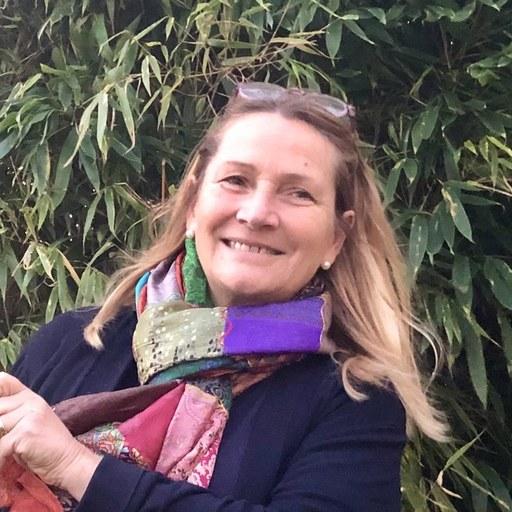
About the author
Valérie Fabre · Founder & Director, Harmonika Institute
Valérie Fabre founded Harmonika Institute in 2025, after a decade seeing clients in private kinesiology practice and, before that, thirteen years in international trade. A French-born polyglot who now splits her time between Dallas and Miami, she sets the school's curriculum and editorial standards and champions ethical, in-person training.
Read more about Valérie Fabre →