Journal · Yoga · Mindfulness Instructor
From Yoga Teacher to Mindfulness Instructor: How and Why
Yoga teachers are uniquely well-positioned to add Mindfulness Instructor credentials. Here is the honest practitioner's-eye view of the transition, the timeline, and how the two practices integrate.
Valérie Fabre, Founder & Director, Harmonika Institute · February 25, 2026 · 3 min read

Roughly 30% of our Mindfulness Instructor graduates come from existing yoga teaching backgrounds. The transition is one of the most natural in our network, and the combined credential — RYT plus CMMI — opens substantially more career opportunities than either alone.
Why yoga teachers are well-positioned
Yoga teachers arrive with most of what mindfulness instruction requires: an established personal contemplative practice, comfort holding a room of beginners, a sense of pacing that supports interior states, and language for talking about attention and embodiment. These are exactly the foundations a mindfulness instructor needs.
What yoga training does not provide is the specific pedagogical structure of secular mindfulness teaching — the eight-week MBSR-style program design, the specific inquiry skill for fielding meditation difficulties, the workplace-and-school adaptation work, and the secular framing that translates across all faith backgrounds. Our four-month CMMI program adds these on top of existing yoga teacher credentials.
What the combination opens up
A yoga teacher with a CMMI credential can teach in contexts where pure yoga teaching cannot reach. Major U.S. corporations contract mindfulness teachers (often at $1,000-$2,500 per session) for workplace wellness; many would not contract a yoga teacher for the same purpose. Schools and school districts hire mindfulness teachers for K-12 programs; the same schools rarely hire yoga teachers because of the religious-association concerns yoga sometimes raises in U.S. school contexts.
Healthcare settings — hospital integrative-medicine programs, primary-care wellness initiatives, behavioral health support — increasingly contract mindfulness teachers. Yoga's religious-association concerns again limit yoga teacher entry into these contexts; secular mindfulness opens them.
The combination also strengthens existing yoga teaching. A yoga teacher who can lead a 30-minute mindfulness practice at the start of class, hold a clear inquiry conversation about meditation difficulties, and design a contemplative arc across an eight-week course brings depth to the yoga work that pure asana training does not provide.
Timeline and integration
Most yoga teachers we work with complete the CMMI program alongside continuing their yoga teaching. The program runs 12 in-person teaching days (96 hours, plus about 77 hours of personal study between sessions on average) — easily integrated with yoga studio teaching commitments.
Within six months of CMMI graduation, most yoga-teacher graduates have added at least one mindfulness offering to their teaching: a weekly community mindfulness drop-in, a monthly workshop, or an eight-week MBSR-style program. Many use the mindfulness offering as a bridge to corporate workplace contracts that they did not have access to before.
What changes in the yoga teaching itself
Yoga teachers who add CMMI credentials almost always report that their yoga teaching becomes more mindful — more attentive to interior experience, more comfortable with silence, more skillful at fielding student questions about practice difficulties. The pedagogical training transfers.
Pricing also typically rises. Corporate yoga and workplace yoga sessions that used to command $80-$150 per session can be repositioned as 'mindful movement' or 'mindfulness through yoga' offerings priced at $150-$300 per session. The same skill, repositioned with the additional credential, justifies meaningfully higher fees.
Questions on this topic.
Do I need to be RYT-200 to enroll in CMMI?+
No. The CMMI prerequisite is an established personal meditation practice (a few months of regular sitting). Yoga teachers are well-positioned but not required. Many CMMI graduates have no yoga teaching background.
Will CMMI conflict with my yoga lineage?+
Almost never. Secular mindfulness as we teach it is compatible with most yoga lineages. The framing is non-religious and translates across yoga traditions cleanly. Some traditional yoga teachers find CMMI deepens their understanding of the contemplative dimension of their yoga practice.
Should I do CMMI before or after RYT-500?+
CMMI typically before RYT-500 — the mindfulness training will inform and deepen the RYT-500 advanced yoga study, more than the inverse. CMMI plus RYT-200 is a stronger combination than RYT-500 alone for most career paths.
Tags:
YogaMindfulness InstructorAdjacent credentials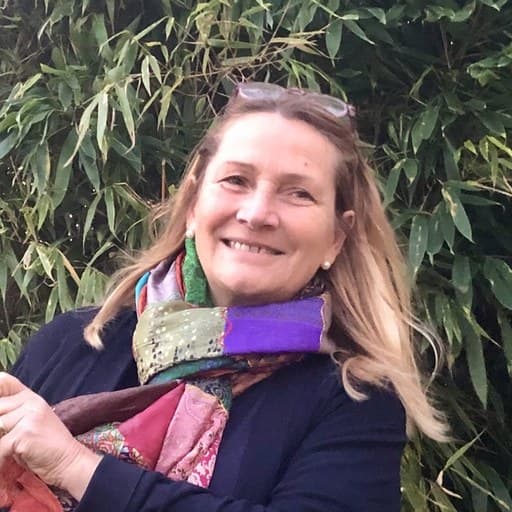
About the author
Valérie Fabre · Founder & Director, Harmonika Institute
Valérie Fabre founded Harmonika Institute in 2025, after a decade seeing clients in private kinesiology practice and, before that, thirteen years in international trade. A French-born polyglot who now splits her time between Dallas and Miami, she sets the school's curriculum and editorial standards and champions ethical, in-person training.
Read more about Valérie Fabre →