Certified Access Bars Practitioner · Boston, MA
Access Bars training in Boston.
Train as a Certified Access Bars Practitioner (CABP) with Harmonika Institute in Boston, MA. Train in the 32-point Access Bars protocol with extensive hands-on practice in class.
Boston cohort at a glance
- Tuition
- $440
- Format
- 100% in person
- In-person teaching
- 1 day · 8h
- Personal study
- ~6h
- Cohort size
- 10 students
- Credential
- CABP
Same tuition in every city
In Boston, MA
8-hour days, two 4-hour half-days
Between sessions, on average
Fixed cohort, start to finish
Private certification, not a state license
PDF — modules, hours, faculty notes, and a typical week's schedule.
Aug 18, 2027
Wednesday · 9 am–6 pm · 1 teaching day · 10 seats per cohort
- DatesAug 18
Every teaching day runs 9 am to 6 pm, in two four-hour half-days. You receive the Boston venue and the full timetable with your enrolment agreement.
Seats
10 students
Enrolment closes
July 28, 2027
Two minutes, no payment today. Our admissions team contacts you within two business days.
Why Access Bars in Boston?
Boston's relationship with holistic practice is shaped by its concentration of universities and hospitals. Our students here tend to be researchers, healthcare workers, and educators — people who came to wellness training already capable of evaluating evidence and asking hard questions about scope. Cohort sizes stay small to keep the discussion-driven pedagogy that works in this city.
For students of Access Bars specifically, Boston's scene is a particularly good match: academic and medically literate practitioner community. high bar for evidence and scope of practice. The local cohort runs in venue partners around Cambridge, South End, Brookline, with public transit and parking accessible from across the metro.
Boston applicants are often 35-55, with backgrounds in academia (PhDs in cognitive science, psychology, or neuroscience are surprisingly common), medicine (MDs, NPs, PAs seeking complementary credentials), and education. They ask harder admissions questions than almost any other market, want to read primary sources, and value faculty who can speak honestly about evidence — including its limits. Our Boston cohorts tend to produce graduates who are unusually credible in clinical-adjacent settings.
What you'll be training in.
For a deeper introduction to Access Bars as a practice tradition, see the full program page.
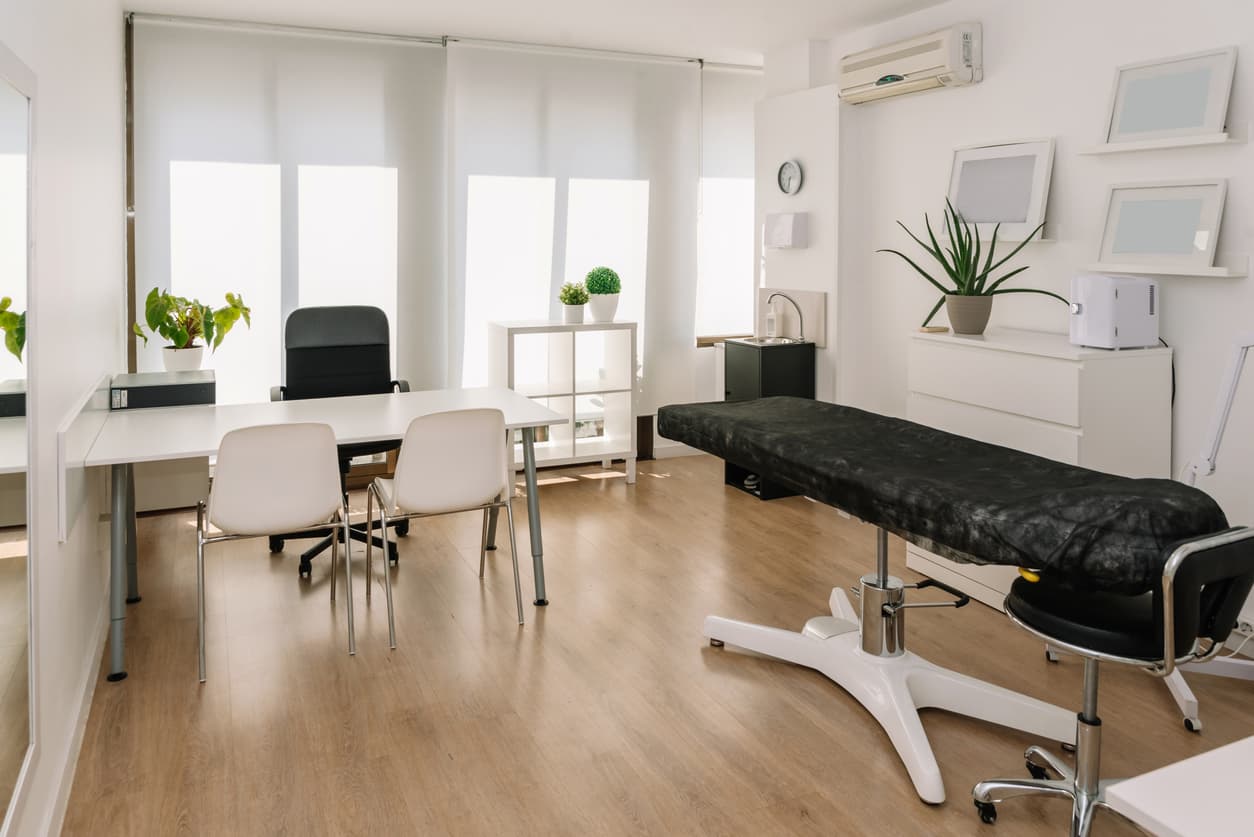
Access Bars® is a gentle hands-on technique developed by Gary Douglas in the early 1990s and now practiced by hundreds of thousands of people worldwide. The practitioner places their fingertips lightly on thirty-two specific points on the recipient's head — points said to correspond to different categories of stored thought, emotion, and pattern (money, control, creativity, awareness, time, and others). The recipient lies fully clothed on a massage table, eyes closed, while the practitioner moves through the points in sequence over a 60 to 90 minute session.
What recipients typically describe is something between deep meditation and a particularly restorative nap. Access Bars sessions are unusually gentle — there is no pressure, no manipulation, no conversation during the session itself — which makes the technique accessible to people who would never come to a more intense form of bodywork or energy practice. It is one of the most popular hands-on modalities in the U.S. wellness market.
The Access Bars curriculum in Boston: 1 in-person day.
One day, 32 points, and the official class that puts Access Bars in your hands.
- Teaching days
- 1
- Teaching hours
- 8h
- Cohort size
- 10
day, 7h each
in the room
in your Boston cohort
Certified Access Bars Practitioner (CABP) · 1 day · 8 hours
The official Access Bars class
By evening, you've given two full sessions, received two, and earned your practitioner status.
- Meet your licensed facilitator, receive the manual and head charts, and discover Access Consciousness
- The official video of Gary Douglas and Dr. Dain Heer, then a live demonstration narrated by your facilitator
- All 32 points located on the charts, then on a partner: sequence, depth and quality of contact
- Session setup: table or chair, hand and body position, explicit consent to touch, client comfort
- Receive two complete sessions, with individual hand corrections from your facilitator
- Give two complete sessions, then share experiences and questions as a group
- Access Consciousness tools and questions from the manual, plus relaxation and wellness framing for US clients
- Your facilitator observes a full session from each of you, then practitioner status and next steps
When Access Bars cohorts run in Boston.
Boston cohorts adjust around the academic calendar: January and September starts align with university rhythms and produce strong attendance; May cohorts are smaller. Snow rarely cancels classes (the city handles winter well), but the schedule includes contingency days. Every in-person session is a full day, 9 a.m. to 6 p.m., with no evening classes — students with university appointments plan their training days around the academic calendar.
Who this Boston cohort is for.
People drawn to structured, gentle hands-on work who want a calm, low-pressure modality to anchor their practice.
Where your Boston training leads.
- Open a private Access Bars practice (CABP)
- Offer Bars in spas, retreats, and wellness centers
- Add Bars to a coaching, energy, or massage practice
- Lead small-group practitioner exchanges
$440 for the full 1-day Access Bars program in Boston.
Same tuition whether you study in Boston or any of our other U.S. cities. Monthly payment plans without interest. A 25% deposit confirms your spot in the Boston cohort.
Tuition and financing details$440
8h of teaching · 1 in-person days
Access Bars: questions students ask first.
- Access Bars Training: What Practitioners Should Know Before EnrollingAccess Bars is a proprietary branded system. What that means for your title, your marketing, your website copy, and what happens to the credential if you ever leave.10 min read
- What Is Access Bars and What Happens in a SessionA light-touch head technique from a trademarked system: what proponents claim, what the research actually amounts to, and what an hour on the table is really like.10 min read
Access Bars certification in other Harmonika cities.
Next step
Become a Certified Access Bars Practitioner in Boston.
Talk with our admissions team about the next Access Bars cohort starting in Boston, MA. Free, online, one hour.