Journal · Practice building · Regulation
Working Alongside Licensed Medical Professionals: A Practitioner's Guide
How holistic practitioners build referral relationships with physicians, NDs, and mental-health professionals — practical guidance for collaborative care.
Valérie Fabre, Founder & Director, Harmonika Institute · February 9, 2026 · 7 min read

The most established holistic practitioners in the U.S. consistently report the same finding: building working relationships with licensed medical professionals — physicians, naturopathic doctors, mental-health professionals, chiropractors — is one of the highest-leverage practice-building moves a practitioner can make. It generates referrals, supports scope of practice, and produces better outcomes for clients.
This guide walks through how to actually build those relationships. We'll cover who to approach, how to make the first contact, what medical professionals look for in holistic practitioners they'll refer to, the mechanics of shared care, hospital and clinic settings, ethical considerations, and how to build the relationships over years rather than expecting immediate results.
The investment is meaningful — typically 1-3 years per relationship before it produces consistent referral flow — but the long-term return is substantial. By year five, established practitioners often have 3-8 active medical-professional referral relationships generating 30-60% of new client flow.
Why these relationships matter
Three benefits make medical-professional relationships disproportionately valuable. First, referrals. A referral from a credentialed medical professional carries far more weight than direct marketing. Clients who arrive via medical referral typically arrive with higher trust, longer engagement, and higher willingness to pay.
Second, scope-of-practice protection. When a holistic practitioner works alongside a medical professional, the legal and ethical scope is much clearer. The practitioner is clearly providing adjunct support, not unauthorized treatment. This protects against both regulatory action and consumer complaints.
Third, comprehensive client care. Clients with significant health concerns benefit from coordinated care between their medical provider and their holistic practitioner. Outcomes are better when the two are aligned rather than working in parallel without communication.
The compound effect. Year-three practitioners with strong medical referral relationships typically have 30-40% of new clients via medical referral; year-five practitioners often reach 50-60%. The flow is steady, the conversion is high, and the per-client value is typically above generic marketing channels.
Who to approach
Different medical professionals fit different holistic practices. Reiki and Energy Healing practitioners often build relationships with oncology and palliative care physicians, integrative medicine clinics, and hospice programs. Hypnosis practitioners often work with mental-health professionals, smoking cessation programs, and weight management clinics. Naturopathy and herbal medicine practitioners often work with naturopathic doctors and integrative MDs.
Start with professionals whose patients overlap with your practice. A reflexologist focused on fertility might approach reproductive endocrinologists. An aromatherapy consultant might approach allergists, sleep clinics, or dermatologists. The match should be specific.
Local mid-sized cities are often the best ground for these relationships. Larger metros have more competition; smaller markets are too thin. The 50,000 to 500,000 population range typically has medical professionals open to building local referral networks.
Map your local medical landscape before approaching. Identify the integrative-medicine clinics, the hospital-based supportive care programs, the open-minded primary care physicians, and the relevant specialists in your area. Most cities have 10-20 such professionals; building relationships with 5-8 of them produces strong referral flow.
How to make the first contact
Cold contact rarely works. Build the relationship gradually. Several effective patterns: (1) attend the medical professional's continuing-education events open to allied health professionals, (2) offer to give a brief educational presentation to their staff, (3) send a thoughtful introduction letter explaining your practice, training, and how it might support their patients, and (4) ask for a 20-minute conversation rather than a referral relationship outright.
The first conversation should be educational rather than transactional. The medical professional needs to understand what you do, what your training looks like, how you stay in scope, and how you would coordinate care. Walk through this carefully; do not try to sell.
Most medical professionals will not commit to referrals after one conversation. Stay in touch. Send updates on your practice, share relevant research, attend community events. The relationship typically takes 6-18 months to produce meaningful referral flow.
What to bring to the first conversation. Brief credentials summary (one page). Specific examples of how you might support their patients. Your scope-of-practice disclosure. Your liability insurance documentation. Any peer-reviewed research relevant to your modality. Demonstrating professional rigor up front substantially increases the chance of referral relationship.
What medical professionals look for
Medical professionals refer to holistic practitioners they trust. The specific factors they evaluate: (1) credentials — formal training from a recognized program, certification by a professional body, (2) scope discipline — does the practitioner stay clearly within scope and refer back when appropriate, (3) communication — does the practitioner update them on shared clients with consent, (4) outcomes — do referred patients report benefit.
Demonstrate these proactively. Provide your training documentation up front. Discuss your scope of practice clearly. Establish a communication protocol (typically a brief written summary at start of care and at significant milestones, with the client's consent). Track outcomes informally and share aggregated results.
Most importantly, refer back. When you work with a referred client, communicate progress to the referring professional. When the client's needs go beyond your scope, refer them back rather than trying to expand your scope to keep them.
Avoid common mistakes. Don't push for immediate referrals. Don't oversell what your modality can do. Don't claim outcomes you can't demonstrate. Don't try to convert the medical professional to your modality. The relationship works because of mutual respect and complementary work, not because you've persuaded the medical professional that holistic work is better than what they do.
The shared-care model in practice
Once a working relationship is established, the practical model looks like this: the medical professional sees a patient who could benefit from holistic support. They mention you and provide your contact information. The patient contacts you and schedules.
At first session, you confirm the referral, get the client's consent to communicate with the medical professional, and establish your role within their broader care. You then send a brief written summary to the medical professional describing your assessment and plan.
Periodically (typically every 4-8 sessions or at meaningful milestones), you send a brief progress note. If the client raises concerns outside your scope, you refer them back to the medical professional with a clear note. If they make progress, you note that too.
This model produces aligned care, demonstrates your discipline, and creates a feedback loop that strengthens the referral relationship over time. The communication takes 10-15 minutes per shared client per quarter; the relationship-building return is substantial.
Hospital and clinic settings
Some holistic practitioners pursue formal hospital or clinic affiliations rather than (or in addition to) independent referral relationships. Hospital integrative-medicine programs employ or contract with Reiki practitioners, massage therapists, acupuncturists, and others to provide supportive care to inpatients and outpatients.
These positions are typically part-time and modestly paid ($40-$70/hour rather than independent-practice rates), but they provide credentialing, predictable hours, and a credibility marker for independent practice. Many practitioners use 1-2 days/week of hospital work as foundation while building independent practice.
Approach hospital programs through their integrative-medicine director rather than HR. Bring training credentials, professional certification, liability insurance documentation, and any references from medical professionals who have worked with you.
Hospital integrative work also produces referral flow into independent practice. Patients who receive your work through the hospital often want to continue with you privately; hospital staff who see your work develop confidence to refer to your private practice; the institutional credentialing increases your credibility for direct referrals.
Ethical and consent considerations
Working alongside medical professionals requires strict consent practices. Clients must know what information is being shared, with whom, and why. The standard is written consent at the first session, specifying which medical professionals you may communicate with and what information you may share.
Even with consent, share minimum necessary information. The medical professional needs to know what you are doing and how the client is responding. They typically do not need detailed session content unless directly relevant.
If a client withdraws consent for communication, respect it immediately. Document the change. Continue your work with the client without further communication to the medical professional, even if you previously had a referral relationship.
Ethical considerations beyond consent. Don't share information that isn't relevant to the client's care. Don't disparage the medical professional in your communications with the client. Don't promise outcomes that depend on the other professional's work. Maintain your professional integrity in both directions of the shared-care relationship.
Building over years
Year-five established holistic practitioners we know typically have 3-8 active medical-professional referral relationships, generating 30-60% of new client flow. These relationships were built over 3-5 years, one at a time, with sustained effort.
The first relationship is the hardest. The third is much easier because you have a track record. By the fifth, medical professionals start finding you rather than the other way around.
Treat these relationships as long-term investments rather than short-term marketing. The practitioners who succeed at this are the ones who genuinely care about coordinated care, not just about getting referrals.
Maintain the relationships actively. Annual or semi-annual coffee meetings. Brief updates on practice developments. Recognition of professional milestones. Genuine professional friendship over years. The relationships that produce sustained referral flow are real relationships, not just transactional exchanges.
Questions on this topic.
How do I find local medical professionals to approach?+
Start with local integrative medicine clinics, naturopathic doctors, hospice programs, and integrative oncology programs. These are typically more open to holistic referrals than conventional medical practices. Your own primary care physician may also be a good first contact if they're open-minded.
What if a medical professional doesn't believe in my modality?+
Many won't, especially initially. Don't try to convert them. Focus on those who are open. Over time, as you demonstrate scope discipline and good outcomes with their patients, more will become open. The skeptics don't need to refer to you for your practice to succeed.
Can I share client information with medical professionals?+
Only with explicit written client consent specifying who you may communicate with and what you may share. Even with consent, share minimum necessary information. The consent process protects both you and the client; never communicate without it.
Do I need formal credentialing for hospital work?+
Yes — hospitals typically require professional certification, demonstrated training hours, liability insurance, and sometimes a brief credentialing interview. The integrative-medicine director will guide you through their specific process. Each hospital's process is somewhat different; build the relationship first, then navigate the credentialing.
How do I handle a client whose medical professional gives bad advice?+
Don't badmouth the medical professional. Continue your work within scope. Encourage the client to seek second opinion if appropriate. Maintain your scope discipline. Conflicts between your perspective and the medical professional's are best handled professionally rather than through the client.
Tags:
Practice buildingRegulationScope of practiceReferralsCollaboration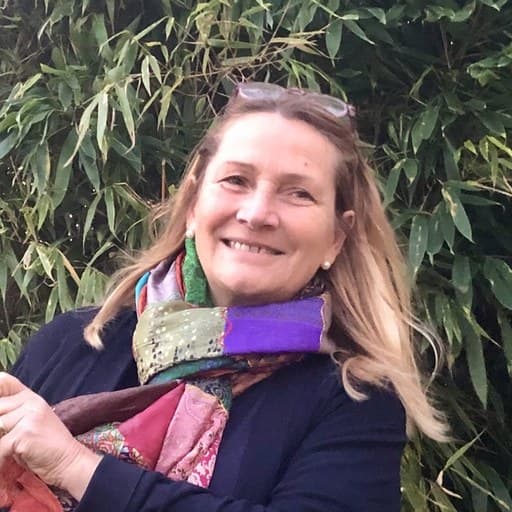
About the author
Valérie Fabre · Founder & Director, Harmonika Institute
Valérie Fabre founded Harmonika Institute in 2025, after a decade seeing clients in private kinesiology practice and, before that, thirteen years in international trade. A French-born polyglot who now splits her time between Dallas and Miami, she sets the school's curriculum and editorial standards and champions ethical, in-person training.
Read more about Valérie Fabre →