Journal · Income · Career path
Holistic Practitioner Income: What to Expect in Your First 5 Years
An honest look at what holistic practitioners actually earn — by modality, by city, and by year — based on five years of Harmonika Institute graduate-tracking data.
Valérie Fabre, Founder & Director, Harmonika Institute · April 8, 2026 · 3 min read

How much do holistic practitioners actually make? It is the question we get asked most often during admissions conversations, and the question we believe is least honestly answered in the broader field. The answer matters, because financial sustainability is what makes a holistic practice into a career rather than a hobby.
Below is what we have observed from our network of graduates over the past five years. The ranges are real; they include graduates who have stalled along with graduates who have built thriving practices. We share the full ranges because the median tells you more about your situation than the success-story outliers.
Year 1: $5,000 - $25,000
Year one is mostly training, plus the first months of practice-building. Most graduates take their first paying clients during the program itself, but the volume is small — typically 3-8 paid sessions monthly during training, growing to 8-15 monthly by the end of the program. Pricing is at the low end of the range as graduates build confidence and reviews.
First-year gross income from practice alone typically falls between $5,000 and $25,000. The higher end is for graduates who already have an existing client base from an adjacent profession (yoga teaching, massage therapy, coaching). The lower end is for graduates building from scratch.
Most graduates supplement first-year practice income with continuing income from their pre-Harmonika role, savings, or partner support. This is normal and expected. The first year is the establishing year, not the earning year.
Year 2: $25,000 - $60,000
Year two is when the practice starts feeling real. Graduates have a small base of returning clients, are getting referrals, and are starting to build relationships with local studios, wellness centers, and partner businesses. Session volume typically grows to 30-60 paid sessions per month by year-end.
Pricing also rises. Graduates who started at $80-$120 per session in year one are typically charging $100-$160 by mid-year-two as confidence and reviews accumulate. Year-two gross income from practice typically falls in the $25,000-$60,000 range.
Many graduates also begin adding ancillary revenue streams in year two: occasional workshops, small group programs, partnerships with corporate wellness contractors. These streams are usually small in absolute terms but accelerate growth in years three and beyond.
Year 3: $50,000 - $100,000
Year three is where most full-time graduates cross the financial-sustainability line — meaning they can pay their bills from practice income alone, without supplementation. Session volume typically reaches 40-80 paid sessions monthly. Pricing settles into the local market norm: $130-$220 per 75-minute session in major U.S. cities for most modalities.
Year-three gross income from practice typically falls in the $50,000-$100,000 range. Graduates who specialize in higher-paying applications (executive coaching, hypnosis for smoking cessation, expressive arts retreats) can clear $120,000+ by the end of year three. Graduates who have not specialized typically settle in the $60,000-$80,000 range.
Years 4-5: $80,000 - $200,000+
By year four and five, the patterns set. Graduates who have invested in marketing, partnership-building, and continuing education are typically running practices that gross $80,000-$160,000 annually. The most successful — those who specialize in high-demand niches or build multi-stream practices (private sessions plus group programs plus retreats plus teaching) — clear $150,000-$300,000+.
Cities matter. Practitioners in NYC, San Francisco, Los Angeles, Boston, Washington DC, and Seattle typically clear higher absolute numbers (and higher costs of living). Practitioners in Indianapolis, St. Louis, Detroit, and similar Midwestern markets clear lower absolute numbers but often higher real income relative to local cost of living.
Modality matters too. Hypnosis specialists, executive coaches, and expressive arts retreat leaders cluster at the high end. Mandala facilitators, creative journaling specialists, and Bach Flower practitioners cluster at the lower end. Most modalities cluster in the middle — a $90,000-$130,000 practice is the typical successful outcome at year five.
Outliers in both directions
Some graduates earn less than these ranges suggest. The most common reason is that they did not put in the marketing and partnership-building work consistently — talented practitioners with quiet practices are real and not rare. The second most common reason is that life intervened: family obligations, health issues, geographic moves that disrupted client bases.
Some graduates earn substantially more — $300,000+ in years 4-5. They tend to share several traits: clear specialization in a high-paying niche, strong digital presence (often built before training), willingness to do corporate or retreat work, and consistent reinvestment in continuing education and ancillary credentials.
Questions on this topic.
Should I quit my current job before training?+
Almost never. Most graduates train while continuing their pre-Harmonika job, then transition over 18-36 months. Going cold-turkey from Day One is rare and frequently regretted within a year.
What's the best-paying modality?+
Hypnosis specializing in smoking cessation, executive coaching with NLP and TA credentials, and expressive arts retreat work cluster at the high end. But best-paying does not mean best-fit; match your modality to your temperament and existing strengths first.
Do graduates get health insurance?+
Most full-time practitioners use ACA marketplace plans or partner-employer coverage. A meaningful share work with a health-share ministry or join a freelancer-organized health plan. Practice income is real but you handle your own benefits.
Tags:
IncomeCareer pathFinancial planning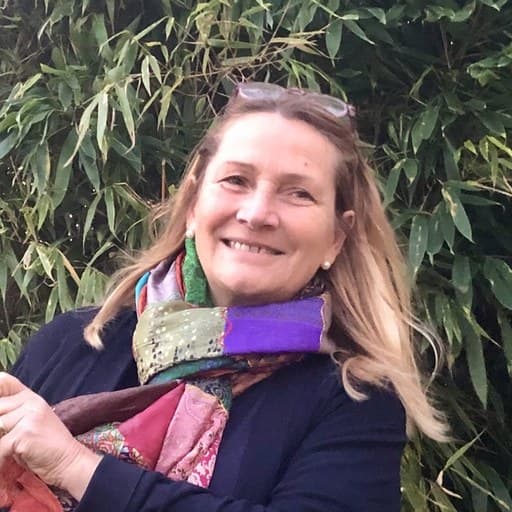
About the author
Valérie Fabre · Founder & Director, Harmonika Institute
Valérie Fabre founded Harmonika Institute in 2025, after a decade seeing clients in private kinesiology practice and, before that, thirteen years in international trade. A French-born polyglot who now splits her time between Dallas and Miami, she sets the school's curriculum and editorial standards and champions ethical, in-person training.
Read more about Valérie Fabre →