Journal · Modality selection · Eastern medicine
Eastern vs Western Holistic Traditions: How to Choose
Eastern and Western holistic traditions differ in important ways. How to choose between them based on your background, temperament, and career goals.
Valérie Fabre, Founder & Director, Harmonika Institute · February 15, 2026 · 5 min read

Holistic modalities broadly fall into two traditions: Eastern (originating in India, China, Japan, Tibet, Southeast Asia) and Western (originating in Europe and the Americas, often as recent syntheses or revivals). Both traditions produce sustainable practices and meaningful careers, but they differ in important ways that matter for prospective practitioners.
The choice between them is rarely either/or — many practitioners eventually train in both. But the starting point matters, and the wrong starting point can produce years of slow progress while the practitioner adapts to a frame that doesn't fit their temperament or background.
This article walks through what distinguishes the two traditions, which practitioners thrive in each, and how to make the choice that fits your specific situation. We'll cover specific modalities in each tradition, training pathways, and the career trajectories typical for each.
What distinguishes the two traditions
Eastern traditions are typically older, with documented lineages stretching back centuries or millennia. Ayurveda, Traditional Chinese Medicine, Tibetan medicine, yoga therapy, and similar systems have continuous teaching traditions, codified texts, and established protocols. Training emphasizes apprenticeship to established teachers within the lineage.
Western holistic modalities are typically more recent in their current forms. Naturopathy was systematized in the late 19th and early 20th centuries; modern aromatherapy in the 20th century; many bodywork modalities were developed in the 20th century or later. Training emphasizes academic-style coursework with clinical components.
These structural differences produce different student experiences. Eastern traditions often feel more reverent and apprenticeship-oriented; Western modalities often feel more curriculum-driven and credential-focused. Neither is inherently better; the fit depends on the student.
Eastern modalities and what they offer
Ayurveda is the largest Eastern modality by global practitioner count. Practitioners work with constitutional types (doshas), seasonal rhythms, dietary recommendations, herbal preparations, and lifestyle adjustments. U.S. training pathways typically run 1-3 years and produce credentialed practitioners through programs accredited by the National Ayurvedic Medical Association.
Traditional Chinese Medicine (TCM) includes acupuncture, Chinese herbal medicine, tuina (Chinese bodywork), and qigong. Acupuncture is the most-licensed TCM modality in the U.S., requiring 3-4 years of master's-level training and state licensure. Other TCM components vary in regulatory treatment.
Yoga therapy is increasingly recognized as a distinct credentialing pathway, with International Association of Yoga Therapists (IAYT) certification requiring 800+ hours beyond yoga teaching credentials. Yoga therapy combines yoga's traditional pedagogical frame with clinical applications.
Other Eastern modalities with U.S. presence: Reiki (Japanese, though widely adapted), Reflexology (variants from multiple traditions), Acupressure, Shiatsu, and various Tibetan-origin modalities including Tibetan Buddhist meditation and bodywork.
Western modalities and what they offer
Holistic naturopathy combines herbal medicine, nutrition, lifestyle counseling, and wellness consultation in a Western frame. Practitioners typically train for 1-3 years in non-licensed practice or 4 years for ND degree if pursuing licensed naturopathic medicine in regulated states.
Hypnosis, NLP, and EFT are Western mind-body modalities with substantial U.S. infrastructure. Training pathways are well-established, certifying bodies are recognized, and the practices integrate easily with Western frames around behavior change and goal pursuit.
Aromatherapy in its current professional form is largely a Western synthesis, drawing on French and English traditions. Certification through bodies like NAHA or AIA typically requires 200-300 hours of training plus mentored case hours.
Bach Flower Remedies, while developed by Edward Bach in 1930s England, fits broadly within Western holistic frames. Training is typically 100-300 hours and produces credentialed practitioners through Bach Foundation programs and similar bodies.
Bodywork modalities span both traditions but the specific Western developments (Swedish massage, structural integration, deep tissue, MyoFascial Release, CranioSacral) have distinct training pathways that differ from Eastern bodywork lineages.
Which fits which background
Practitioners with prior immersion in Eastern philosophies, yoga practice, meditation traditions, or relevant cultural backgrounds often thrive in Eastern modalities. The reverent and lineage-oriented training feels natural; the philosophical frames are already familiar; the integration with existing practice is immediate.
Practitioners with academic, scientific, or clinical backgrounds often thrive in Western modalities. The curriculum-driven training matches their educational frame; the credentialing pathways are clearer; the integration with conventional healthcare or wellness contexts is more straightforward.
Practitioners with no strong prior orientation often do well to start with whichever modality their first significant exposure draws them toward. The intuitive draw is usually a reliable signal of fit. Don't intellectualize the choice; pay attention to which approach you find yourself returning to.
Combining traditions over time
Most established practitioners we follow eventually train in both Eastern and Western modalities, accumulated over five to fifteen years. The combination produces distinctive practices that draw on the strengths of each tradition.
Common combination patterns. Ayurveda + holistic naturopathy produces a comprehensive consultation practice combining traditional Ayurvedic wisdom with Western nutrition and lifestyle frames. Yoga therapy + clinical mindfulness combines Eastern embodied practice with Western clinical frames. TCM-adjacent modalities (acupressure, qigong) + Western bodywork combines energetic and structural approaches.
Sequencing typically begins with one tradition for foundation, then adds the other for breadth. Most practitioners spend 5-10 years in their starting tradition before adding from the other. Trying to learn both simultaneously usually produces shallow integration.
Career outcomes by tradition
Eastern-tradition practitioners (Ayurveda, yoga therapy, TCM-adjacent) typically reach year-five income of $70,000-$140,000 with significant variation by market and specialization. Practices often integrate teaching and group work alongside individual consultation.
Western-tradition practitioners (naturopathy, mind-body modalities, aromatherapy) typically reach year-five income of $80,000-$160,000 with similar market variation. Practices often emphasize one-on-one consultation with broader market access.
Combined-tradition practitioners (full integration after 5-10 years) typically reach year-seven income of $120,000-$240,000+. The combined credential supports premium positioning and broader application across diverse client populations.
Income differences within each tradition typically exceed differences between traditions. The practitioner's commitment, market choice, and practice design matter more than which tradition they trained in initially.
Cultural and ethical considerations
Practitioners from outside the cultural origin of Eastern traditions face questions about appropriate practice and respectful representation. These questions deserve serious attention and have answers — most established Eastern training programs in the U.S. address them explicitly within their pedagogy.
Specific principles that guide ethical practice. Maintain ongoing study with teachers from the originating tradition. Acknowledge the cultural origins of your practice in your marketing and client materials. Avoid claims that misrepresent the tradition or your level within it. Respect lineage and context rather than treating modalities as freely transferable tools.
Western tradition modalities present different but real cultural questions. Many were developed within specific cultural and historical contexts that may not match contemporary client populations. Practitioners benefit from awareness of these origins and thoughtful adaptation rather than assuming universal applicability.
Questions on this topic.
Can I learn an Eastern modality without belonging to the originating culture?+
Yes — most Eastern training programs welcome students from outside the originating culture. The expectation is genuine commitment to the tradition, ongoing study with credentialed teachers, and respectful representation. Surface-level adoption without deeper engagement is what creates ethical issues, not the bare fact of cross-cultural learning.
Which tradition has stronger U.S. market demand?+
Western modalities currently have larger U.S. market footprint and stronger search volumes for most practices. Eastern modalities have growing demand and often command premium pricing due to perceived depth and tradition. Demand differences are substantial in starting markets but narrow as practitioners build referral and reputation.
Can Eastern and Western modalities be combined ethically?+
Yes, with care. The combination produces distinctive practices when both traditions are studied seriously and integrated thoughtfully. The risk is shallow combination that misrepresents either tradition; the protective practice is ongoing depth in both rather than sampling from each.
Is Reiki Eastern or Western?+
Reiki originated in Japan in 1922 (Eastern) but has been adapted extensively in Western contexts. Most U.S. Reiki practice draws on both Japanese lineage transmission and Western adaptations. The tradition is genuinely cross-cultural rather than purely either Eastern or Western.
Do I need to learn the language of an Eastern tradition?+
Most U.S. training programs teach in English with key terminology in the original language. Some advanced practitioners do learn Sanskrit, Chinese, or Tibetan for deeper textual access; this is rare and not necessary for sustainable practice. Foundational practice does not require language study.
Tags:
Modality selectionEastern medicineWestern medicineCareer path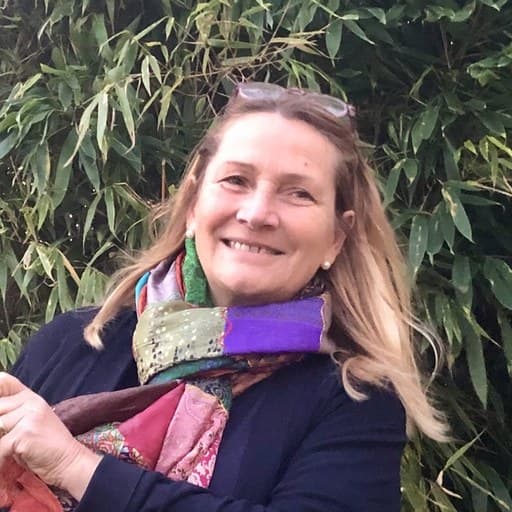
About the author
Valérie Fabre · Founder & Director, Harmonika Institute
Valérie Fabre founded Harmonika Institute in 2025, after a decade seeing clients in private kinesiology practice and, before that, thirteen years in international trade. A French-born polyglot who now splits her time between Dallas and Miami, she sets the school's curriculum and editorial standards and champions ethical, in-person training.
Read more about Valérie Fabre →